


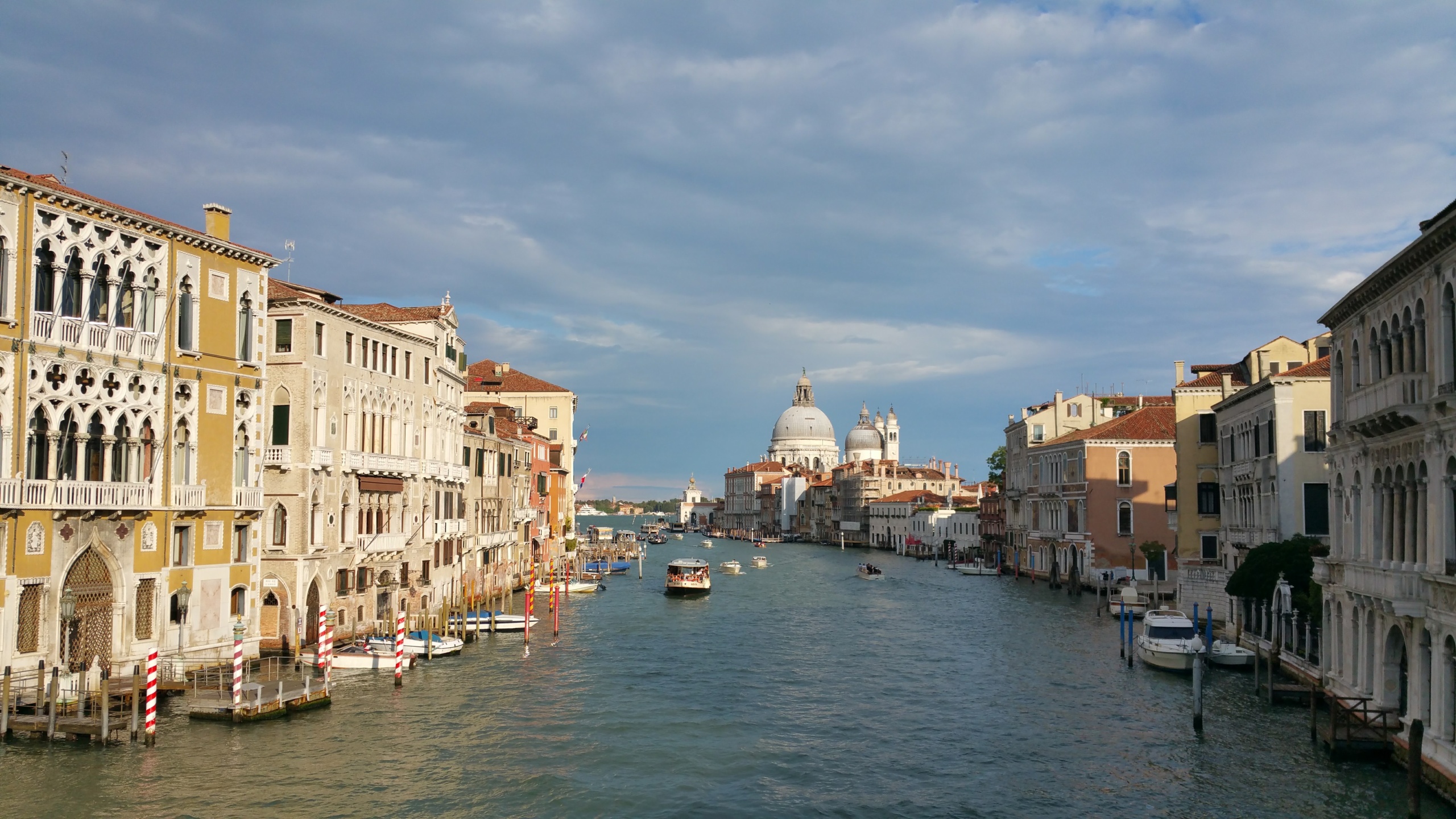
You’ve just arrived in Venice, and you’re standing at the edge of the Grand Canal, completely mesmerized by the view. The water shimmers, the historic palaces tower above you, and then reality hits: how exactly do you get around this floating city? You can’t hail a regular taxi, and while Venice looks compact on a map, walking everywhere with your luggage sounds exhausting.
This is where the Vaporetto comes in—Venice’s iconic water bus system that locals rely on daily. Think of it as the subway system, except infinitely more scenic and occasionally more confusing. But don’t worry. Once you understand how it works, you’ll be navigating the canals like a Venetian.
Understanding the Vaporetto System
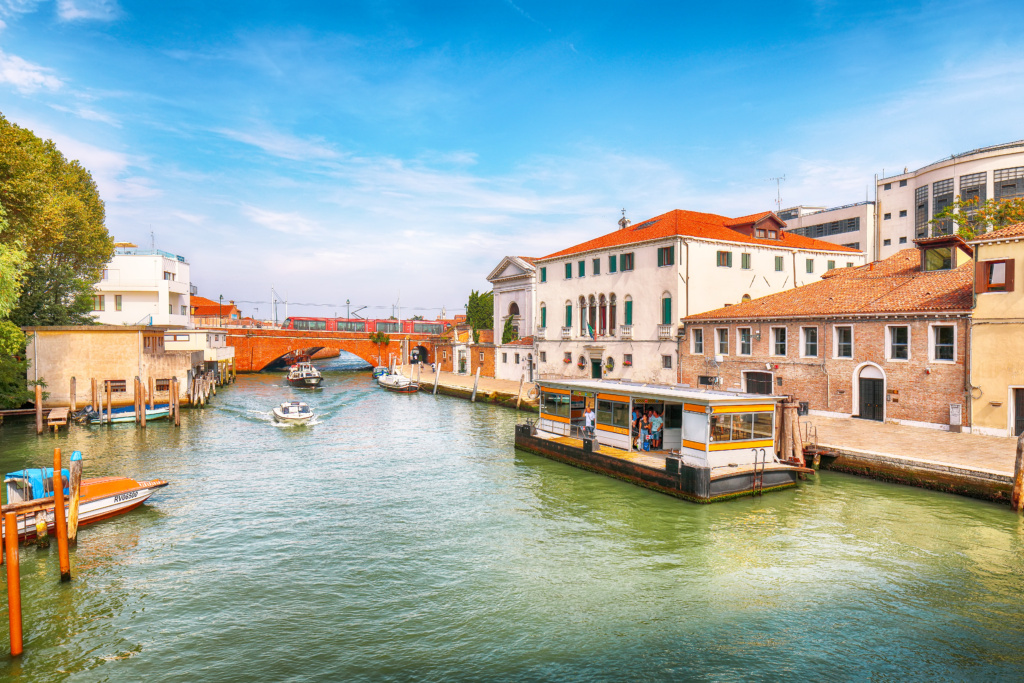
The Vaporetto is Venice’s public water transportation network, operated by ACTV. These aren’t tourist boats—they’re working public transit that happens to offer some of the most spectacular views in the world. The system includes dozens of routes connecting the main island to the outer islands of the lagoon, running from early morning until late at night.
The boats themselves vary in size and style, but most are large enough to accommodate standing passengers, luggage, and even the occasional local resident with their shopping cart. During your trip, you’ll quickly learn to distinguish between the different lines, each serving specific routes and neighborhoods.

The Big Question: Is the Vaporetto Pass Worth It?
This is what everyone asks, and here’s the honest answer: if you’re planning to take more than three rides in a single day, absolutely yes.
Let’s talk numbers. A single Vaporetto ride costs about €9.50, which might not sound terrible until you realize that just getting from the train station to your hotel and back again costs €19. Add in a trip across the Grand Canal for dinner, and you’ve already spent nearly €30—more than a day pass.
Here’s how the passes break down:
24-hour pass: approximately €25 This is perfect for day-trippers or your first day in Venice when you’re doing a lot of initial exploring. From the moment you validate it, you have 24 hours of unlimited rides.
72-hour pass: approximately €45 This is the sweet spot for most visitors. If you’re spending three or four days in Venice, this pass gives you complete freedom to explore without calculating costs. Five rides over three days and you’re already saving money.
7-day pass: roughly €65 Ideal for longer stays or if you’re using Venice as a base to explore the lagoon islands extensively. The value here is incredible if you’re planning multiple trips to places like Murano, Burano, and Torcello.
The math is simple: the more you plan to move around, the more valuable the pass becomes. And trust me, you’ll want to move around. Venice rewards exploration, and the Vaporetto makes it possible without destroying your feet or your budget.
When You Should Definitely Use the Vaporetto
Arriving with luggage Your first Vaporetto ride will likely be from Venezia Santa Lucia train station to your hotel. This alone justifies getting a pass. Venice has over 400 bridges, many of them steep and without wheelchair ramps. Dragging a suitcase through this maze is a special kind of torture. The Vaporetto saves you from this fate.
Crossing the Grand Canal There are only four bridges spanning the Grand Canal. If you need to get from one side to the other, the Vaporetto is often your fastest option. There are also smaller traghetto gondola crossings, but those cost extra and only run during certain hours.
Visiting the outer islands This is where the Vaporetto pass truly shines. Murano, famous for its centuries-old glass-making tradition, is about 20-30 minutes away. Burano, with its impossibly colorful fishermen’s houses, takes about 45 minutes. Torcello, the quiet, historic island, is even farther. Without a pass, round-trip tickets to these islands would cost you €38-€40 for just Burano alone.
Beating the heat Summer in Venice can be brutal. When the afternoon sun turns the narrow stone alleys into ovens, the Vaporetto offers a breezy, shaded escape while still getting you where you need to go.
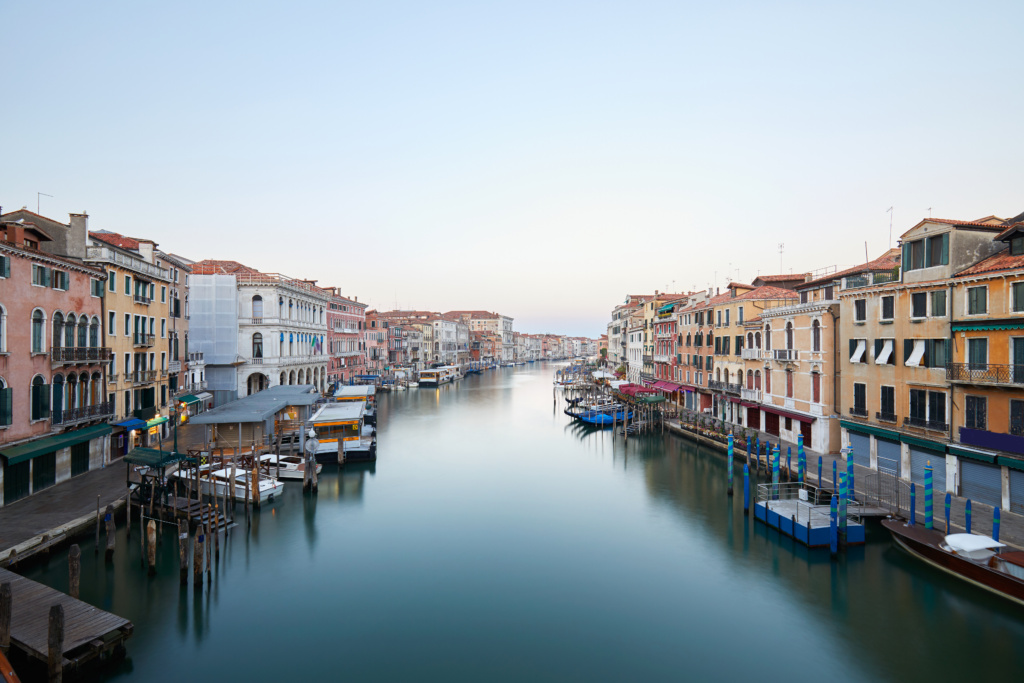
Enjoying the views Here’s a secret: the Vaporetto is the best bargain sightseeing tour in Venice. Line 1, which travels the entire length of the Grand Canal, passes some of the most magnificent palaces and churches in the city. You’ll float past Ca’ d’Oro, the Rialto Bridge, Ca’ Rezzonico, and countless other architectural masterpieces. For the price of your pass, you get a front-row seat to Venice’s grandeur.
The Walking vs. Riding Balance
Now, let me be clear about something important: you absolutely must walk in Venice. The Vaporetto is fantastic, but the real magic of Venice happens in the narrow calli (streets), the tiny campi (squares), and the hidden corners you stumble upon when you’re slightly lost.
Walking lets you discover the neighborhood bakeries, the tiny churches with incredible art, the quiet canals where locals actually live their lives. You’ll find the best restaurants, the artisan workshops, and those Instagram-worthy spots that aren’t in any guidebook.
But—and this is crucial—walking everywhere isn’t realistic. Venice is bigger than it looks, the layout is intentionally maze-like, and bridges get old fast when you’re crossing your twentieth one. This is where strategy comes in.
Use the Vaporetto for long distances and major destinations. Walk for everything else. Your feet will thank you, and you’ll see more of the city than visitors who stubbornly try to do everything on foot.
Dealing with Crowds (Because They’re Real)
Let’s address the elephant—or rather, the packed boat—in the room. During high season (April through October, especially July and August), the Vaporetto can get seriously crowded. We’re talking shoulder-to-shoulder, no-personal-space, hope-you-like-strangers kind of crowded.
The worst crush happens:
- Mid-morning to mid-afternoon (10 AM – 4 PM)
- At major stops like Rialto, San Marco, and Ferrovia (train station)
- On Line 1, especially during peak tourist season
How to beat the crowds:
Travel early or late. Boats before 8 AM are mostly filled with commuting locals and are significantly quieter. Evening rides after 7 PM also tend to be more pleasant.
Choose your line strategically. Line 1 is the scenic route but stops at every single stop along the Grand Canal, making it slow and crowded. Line 2 is faster, skipping several stops, and often has more space.
Position yourself wisely. If the boat is packed, try to grab a spot at the front or back exterior areas. Yes, you’ll be standing, but you’ll have fresh air and better views than being crammed in the interior cabin.
Be patient and flexible. If a boat arrives completely full, wait for the next one. They run frequently, and arriving at your destination five minutes later is better than being miserable for the entire journey.
How to Actually Ride the Vaporetto
Step 1: Buy your pass You can purchase passes at any ACTV ticket office, many tobacco shops (look for the “T” sign), or at the automated machines at major stops. You can also buy online in advance, which saves time.
Step 2: Validate your ticket This is critical. Before boarding, tap your ticket at the green or white electronic validators on the dock. Wait for the beep and check that the green light flashes. Ticket inspectors are common, and the fine for not validating is around €60 plus the ticket cost. No excuses accepted.
Step 3: Check your route Dock signs display the line number and direction (indicated by the final destination). Make sure you’re boarding the right boat. Multiple lines often share the same dock, so pay attention.
Step 4: Board and enjoy Find a spot, hold on (the boats do rock a bit), and enjoy the ride. If you’re new to the system, count the stops or use your phone to track your location.
Step 5: Exit carefully Vaporetto stops are floating docks that move with the water. Watch your step when exiting, especially if you have luggage or small children.
Understanding the Main Routes
Line 1: The tourist favorite. Travels the entire length of the Grand Canal, stopping at every major point of interest. It’s slow but incredibly scenic. Take this when you have time and want to sightsee.
Line 2: The faster Grand Canal route. Skips several stops and loops around to San Marco. Better when you’re trying to get somewhere specific.
Lines 4.1/4.2 and 5.1/5.2: Circle the main island. Useful for getting to neighborhoods like Giudecca or reaching the eastern parts of the city without going through the Grand Canal.
Lines 12, 14, 20: These serve the lagoon islands—Murano, Burano, Torcello, and others. Essential if you’re island hopping.
Night service (N): Reduced service runs through the night, with less frequent boats covering main routes.
Island Hopping: Making the Most of Your Pass
The Vaporetto pass transforms from a practical necessity to an absolute steal when you start exploring the lagoon islands. Each island has its own character and is worth visiting.
Murano (Lines 3, 4.1, 4.2, 12, 13): Famous for glass-making since the 13th century. Watch artisans create intricate pieces in the furnaces, visit the Glass Museum, and browse workshops. Give yourself 2-3 hours here.
Burano (Line 12): A 45-minute ride that feels like entering a painting. Every house is painted a different vibrant color, creating one of the most photogenic spots in Italy. Also known for lace-making. Plan for 2-3 hours to wander and have lunch.
Torcello (Line 12): The quietest island, with only a handful of residents. Home to the stunning Byzantine mosaics in the Cathedral of Santa Maria Assunta. A peaceful escape from the crowds. Allow 1-2 hours.
Lido (Lines 1, 2, 5.1, 5.2, 14): Venice’s beach island. Long stretches of sand, art deco architecture, and a totally different vibe from the main island. Great for a beach day or bike ride.
Without a Vaporetto pass, visiting even two of these islands would cost you around €40 in tickets alone. With a pass, you can spontaneously hop on a boat and explore.
Important Things to Know
The airport exception: Your Vaporetto pass doesn’t cover the Alilaguna water shuttle from Marco Polo Airport to Venice. This is a separate service that costs around €15-25 depending on the route. However, there is a land bus (ACTV bus line 5) from the airport to Piazzale Roma that IS covered by the pass if you buy it before leaving the airport.
Storage for luggage: Boats have designated areas for luggage and strollers. Use them. Don’t block walkways or exits with your bags.
Accessibility: Most Vaporetti have accommodations for wheelchairs and strollers, but not all stops are equally accessible. Check ahead if this is a concern.
Gondola traghetti: These aren’t part of the Vaporetto system but are worth mentioning. They’re shared gondola rides that cross the Grand Canal at specific points for €2. Cash only, and your Vaporetto pass doesn’t cover them.
Final Thoughts: Embrace the Experience
The Vaporetto is more than just transportation—it’s part of the Venice experience. Yes, it can be crowded. Yes, you might take the wrong boat once or twice (everyone does). Yes, you’ll probably wait longer than you’d like at some point.
But you’ll also glide past palaces that have stood for centuries. You’ll watch the sun set over the lagoon from the water. You’ll stand next to Venetian grandmothers heading home with their shopping and workers commuting to the mainland.
For most visitors staying more than a day, the pass is essential. Buy it early, validate every ride, learn the main routes, and don’t be afraid to explore. The beauty of the pass is the freedom it gives you—you can hop on and off without worrying about the cost, making spontaneous decisions about where to go next.
Venice is meant to be explored from the water. The Vaporetto makes that possible, affordable, and surprisingly delightful. Once you get the hang of it, you’ll wonder how anyone experiences Venice any other way.