

Welcome to 2026 — Let’s Slow Down Together
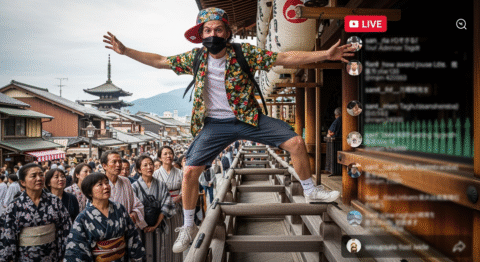
Okay, real talk. If you’re staring at a blank calendar trying to figure out your travel plans for 2026, you’re not alone. Between the FIFA World Cup sprawling across North America and the Winter Olympics lighting up Milan and Cortina, it can feel like the whole world is rushing somewhere, loudly, all at once.
But here’s the thing — you don’t have to join that rush.
We’re The Amateur Traveler, and we’ve been noticing something really exciting happening among solo travelers this year. People are ditching the five-cities-in-seven-days death march. They’re choosing fewer trips, staying longer, and actually feeling the places they visit instead of just photographing them. We’re calling it the Purposeful Journey, and honestly? It’s changing everything.
Why Slow Travel Feels So Right Right Now
Think back to your last big trip. Did you come home rested, or did you need a vacation from your vacation?
If it’s the latter, you already know something needs to change. The old model — cramming in landmarks, sprinting between transit hubs, checking off lists — was always kind of exhausting. We just accepted it as the price of seeing the world.
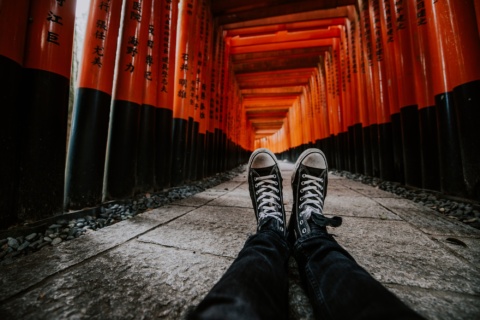
Slow travel flips that entirely. Instead of asking “how many places can I see?”, you start asking “how deeply can I know one place?” That shift sounds small, but it changes your whole experience. You start noticing things. You become a regular at the corner café. You learn a few words of the local language and a stranger’s face lights up. That’s the stuff that actually stays with you.
As travel expert Jamie Cassidy of Road & Table Travel puts it, the focus in 2026 is on intentional trips — ones that truly resonate with who you are and what you actually need from time away.
What Kind of Traveler Are You?
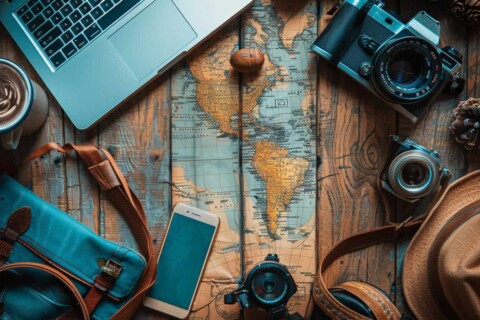
Before you book a single flight, it helps to be honest with yourself about what you’re really looking for. We like to think about this as figuring out your traveler personality — because the right trip for someone else might leave you miserable, and vice versa.
Take the High-Intensity Competitive Traveler. This person thrives on big crowds and massive events. The World Cup? The Olympics? Sign them up. There’s nothing wrong with that — those are genuinely incredible experiences. But if reading that sentence made you feel a little tired rather than excited, that’s useful information about yourself.
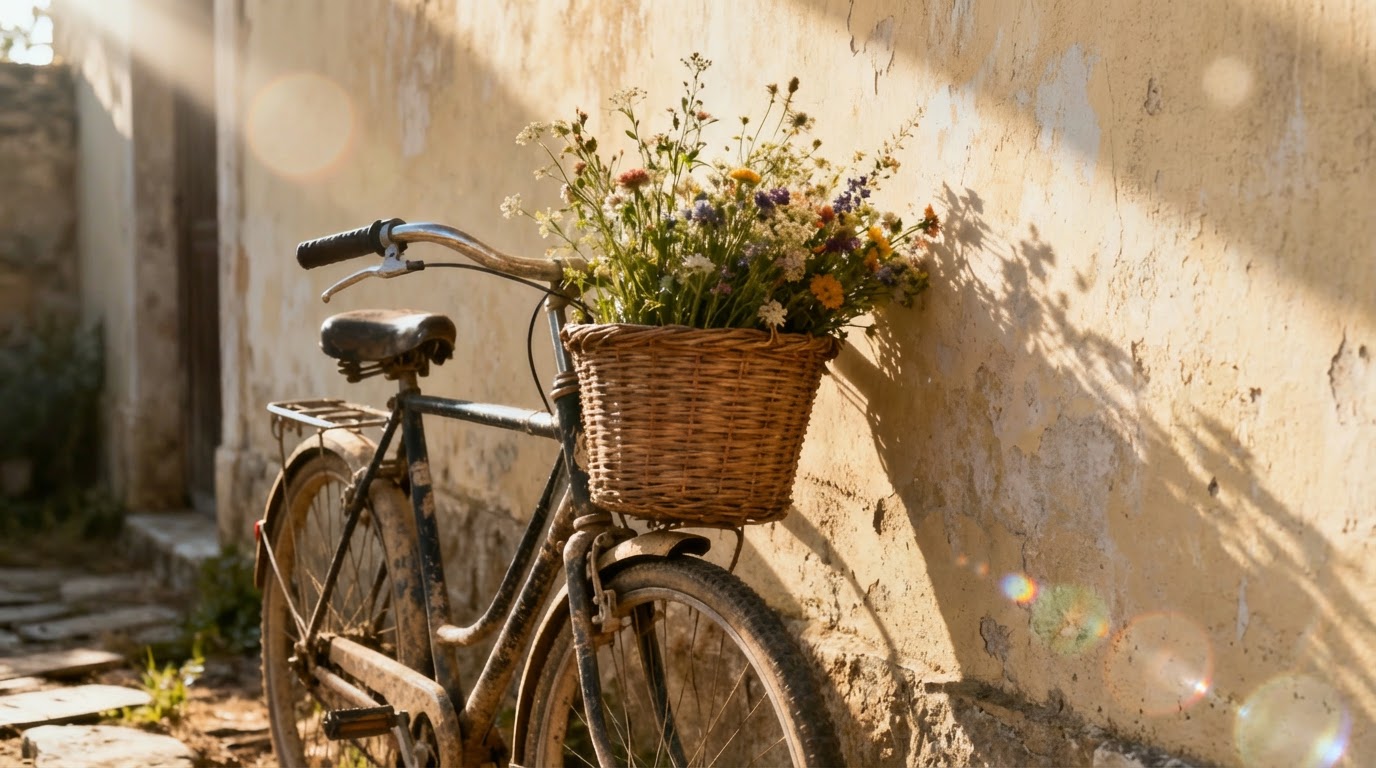
Then there’s the Romantic Fantasy Escapist — someone drawn to beauty, atmosphere, and a deep sense of place. They want to sit in a Tuscan piazza and feel like they’re living inside a film. They want the cinematic charm of quiet villages and long golden evenings. Slow travel was basically invented for this person.
The Rural Runner Vacationer craves physical space and quiet. They want hiking trails, farm stays, wide-open landscapes, and the feeling of being genuinely far from anything. Iceland’s remote Westfjords were made for them — and with the Total Solar Eclipse passing over Iceland in August 2026, there’s an extraordinary reason to plant yourself there for a few weeks.
Finally, there’s the Conscious Organizer — someone who wants their travel to actually mean something beyond their own enjoyment. They think about where their money goes, they prefer shoulder seasons to reduce pressure on local communities, and they look for authentic experiences off the beaten path. Vietnam is a wonderful fit here, especially quieter spots like the coastal town of Mũi Né, with its surreal Fairy Stream and unhurried pace.
None of these personalities is better than another. The goal is just to know which one you are, so you can stop booking trips that don’t actually fit you.
Planning Your Slow Journey
Once you’ve figured out what you need from travel, the planning gets a lot simpler — and honestly, more fun.
The core principle is this: instead of trying to cover three major cities in ten days, commit to one region for two weeks. That’s it. That one decision changes everything downstream. Your accommodation gets cheaper (long-term rentals beat hotel rates handily). Your transportation costs drop because you’re not constantly moving. And your mental state transforms because you stop living out of a suitcase.
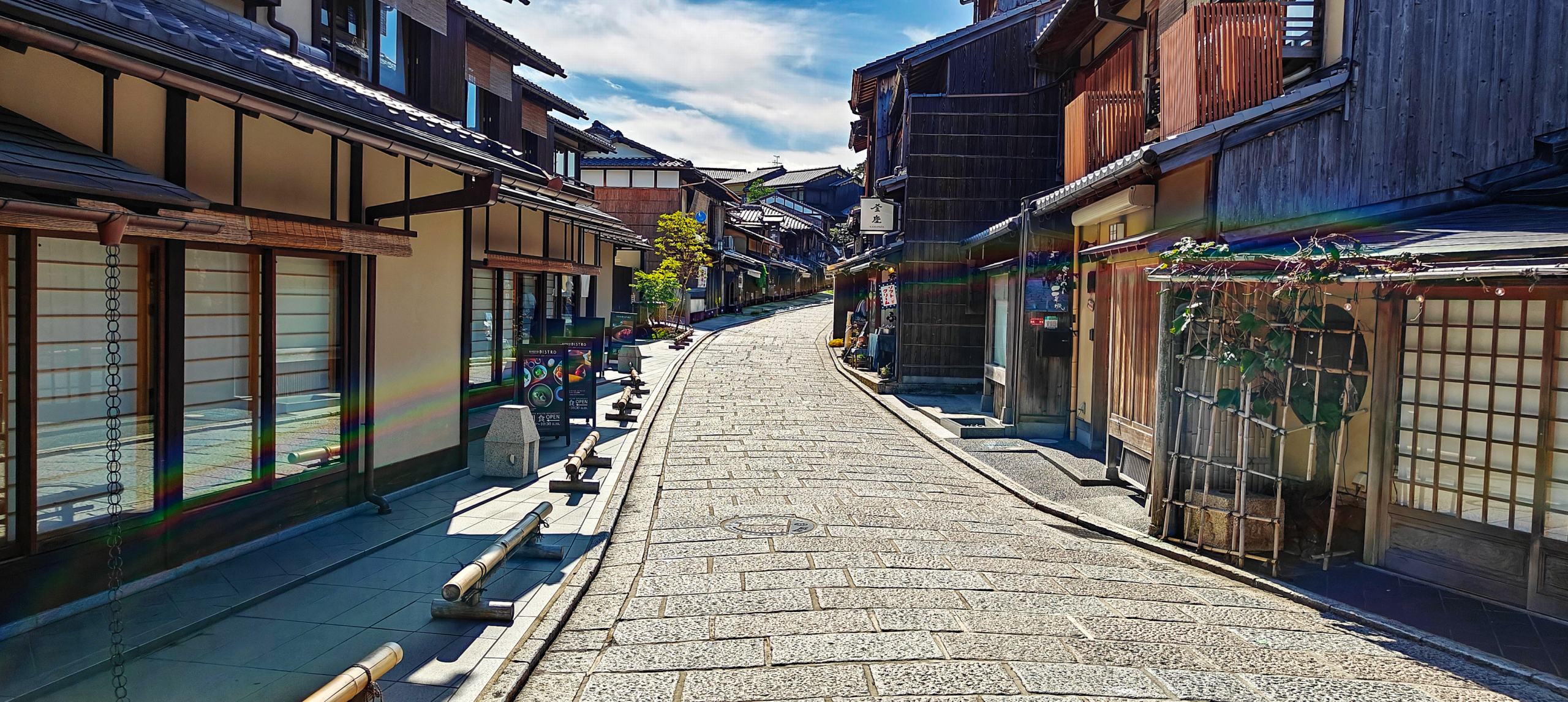
For 2026 specifically, a few destinations stand out as ideal for the slow solo traveler. Japan remains one of the best places in the world to travel alone — it’s safe, the train system is extraordinary, and the culture is genuinely welcoming. Spending a full week in a single neighborhood, maybe learning a craft or taking a cooking class, is the kind of experience that’ll sit with you for years.
Tuscany is magical if you resist the urge to do Florence. Rent a small place outside Siena, find a local market, walk the same road every morning until it starts to feel like yours. That’s the version of Italy that people mean when they say it changed their life.
Barbados is quietly wonderful for solo travelers who want island life without the frenzy — rich history, beautiful beaches, and a pace that almost forces you to exhale.
And Iceland, especially if you can be there for the solar eclipse in August, is the rare destination where a single moment of wonder can anchor an entire extended stay. Go for the eclipse, stay for the Westfjords, leave a month later feeling genuinely different.
Slow vs. Fast — The Honest Comparison
Fast travel gives you breadth. You see more places. You collect more stamps. You have more photos.
Slow travel gives you depth. You understand a place. You build small routines. You have conversations rather than transactions. And you come home rested instead of depleted.
Emotionally, the outcomes couldn’t be more different. The fast traveler often returns with excitement and exhaustion in equal measure. The slow traveler tends to return with something quieter and more lasting — a feeling of genuine restoration, and maybe a clearer sense of themselves.
Is slow travel perfect? No. Committing to one place for a long time can feel daunting at first. And yes, you’ll probably miss some of the headline events that your friends are posting about. But the friends who spent three weeks in a rural corner of Vietnam or holed up in a Sicilian village? They’re the ones with the stories nobody else has.
Practical Ways to Actually Do This
The mindset shift is the hardest part. The practical stuff is more manageable than you’d think.
Travel in shoulder seasons — before and after the main tourist peaks — and you’ll find lower prices, better access to locals, and a version of your destination that actually resembles real life there. If you’re heading anywhere near the FIFA World Cup regions (USA, Mexico, Canada), just plan around those peak weeks and you’ll be fine.
Give yourself one main activity per day and let the rest unfold. This sounds almost too simple, but it’s genuinely transformative. Mandatory wandering time is not wasted time.
If you’re nervous about loneliness on a longer solo trip — and that’s a completely valid concern — choose a guesthouse or smaller accommodation where you’ll naturally cross paths with other travelers and locals. Longer stays in one place actually make it easier to build connections, not harder. You become a familiar face. That matters.
And if you want to add a dash of magic to a slow itinerary, look for natural phenomena that reward patience: dark sky preserves, the aurora borealis, or yes, a total solar eclipse over Iceland. These aren’t events you can rush. They ask you to slow down and wait. Which is kind of the whole point.
The Bottom Line
2026 is a year when the whole world will be sprinting toward big, loud, expensive events. And if that’s your thing, genuinely — go enjoy it.
But if some part of you is tired of that race, this is a really good year to opt out. The quieter places, the longer stays, the trips that give you space to actually think — those are available to you right now, often at lower cost and with far more reward.
Do less. Experience more. That’s the Purposeful Journey, and it’s waiting for you.