


You know that feeling when you think you’ve got Paris all figured out, and then the city just laughs at you? That was us with Le Marais.
We booked our stay at the Hôtel du Plat d’Étain thinking we’d found this charming little spot tucked away from the main action. “It’s fine,” my sister and I told ourselves, mentally preparing for daily treks across Paris to reach the good stuff. This was my fourth trip to Paris, but my sister’s first, and I wanted to make sure she got the full experience. “We’ll just take the metro everywhere. Very authentic.” Famous last words.
But first, we had to get there. We arrived at the train station late at night, tired from travel, and began the walk to our hotel through dark Parisian streets. That’s when I smelled it—urine. Strong, unmistakable, in multiple spots along our route. My heart sank. I’d been to Paris three times before and never stayed in an area like this. Had we booked a hotel in some sort of slum? I exchanged worried glances with my sister. This was definitely not the first impression I’d wanted her to have of Paris.
We found the hotel, checked in quietly, and went to bed with low expectations and high anxiety about what we’d see in daylight.
The next morning? Complete 180. We stepped outside and realized we were literally sitting on the edge of one of Paris’s most vibrant, historic, and downright coolest neighborhoods. The street smell we’d encountered? Just one of those quirks of Paris at night that has nothing to do with the neighborhood itself (Parisians, we learned, have a complicated relationship with public restrooms). Our location was absolutely amazing. Le Marais wasn’t some distant destination we’d need to plan expeditions to reach. We could practically roll out of bed and land in the middle of it. And somehow, despite three previous trips to Paris, I’d never really explored this area. Geography: 1, Our midnight panic: 0.
What Even Is Le Marais?
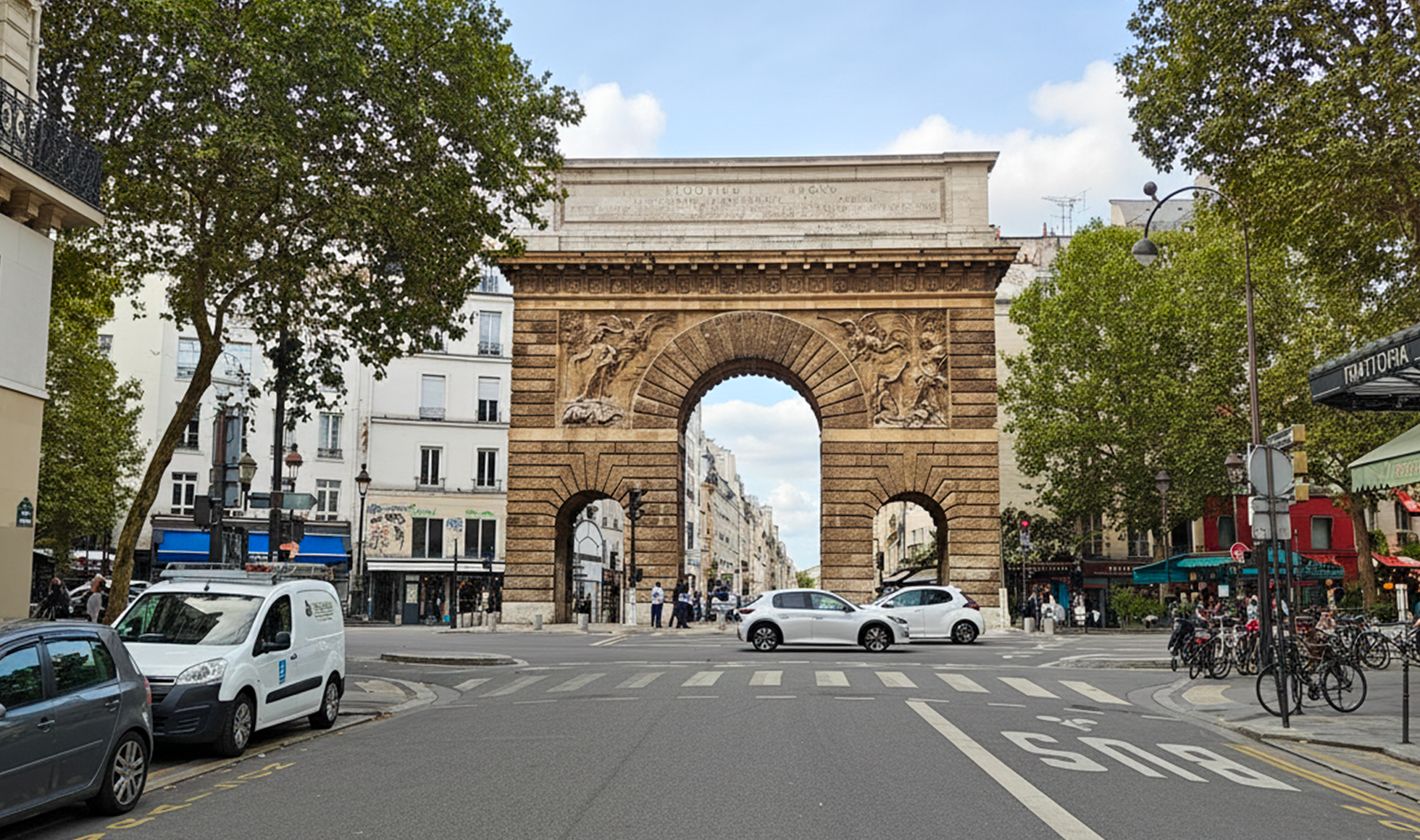
Let me paint you a picture. Le Marais sprawls across the 3rd and 4th arrondissements on Paris’s Right Bank, and it’s basically everything you want a Parisian neighborhood to be but didn’t know you were allowed to ask for. The name means “the marsh” (très glamorous, I know), referencing what this area was before anyone thought to build anything here worth Instagram-ing.
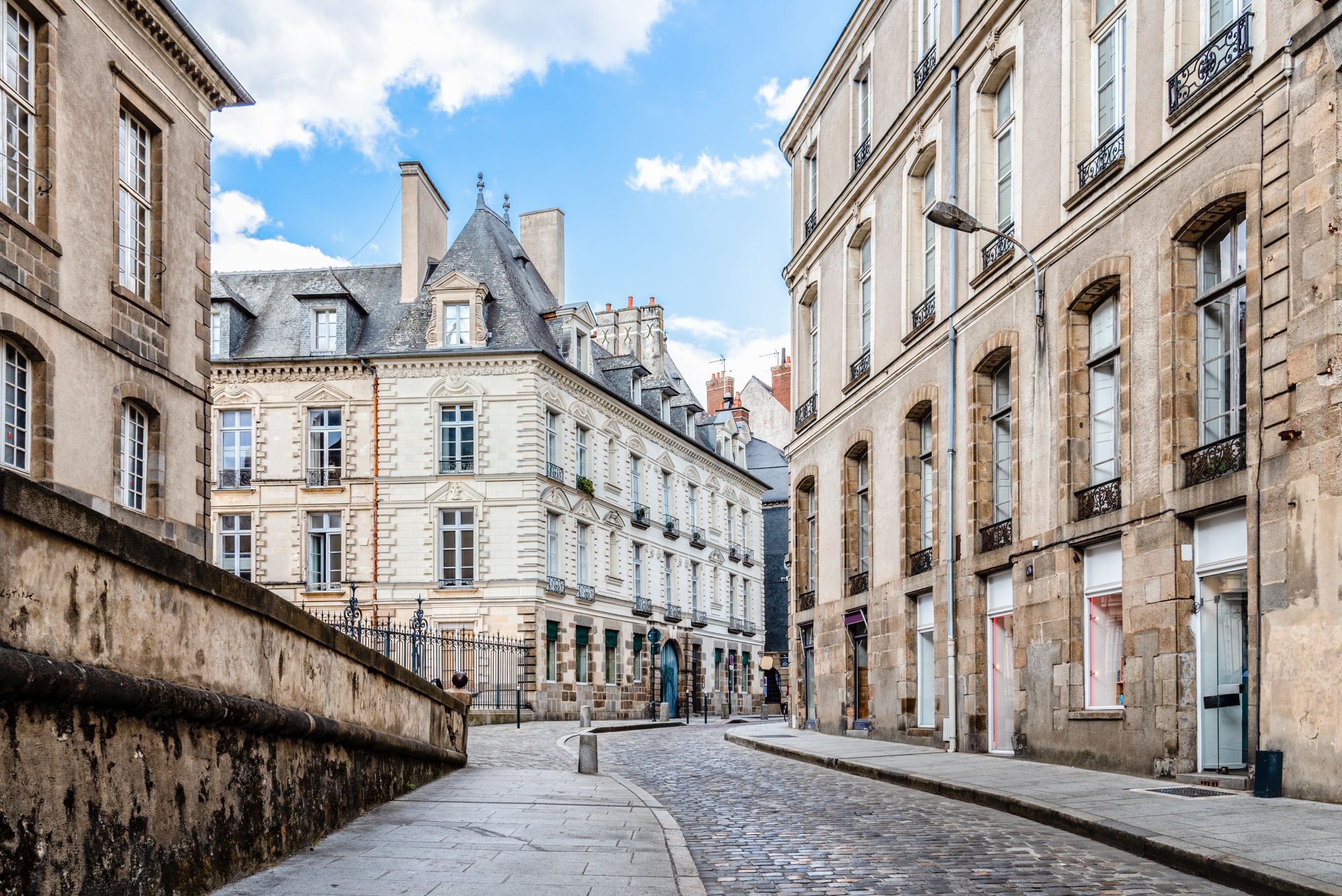
The neighborhood stretches from the République area in the north down to the Seine in the south, and from the Archives Nationales in the west over to the Bastille in the east. That’s a pretty generous chunk of prime Parisian real estate. We’re talking narrow medieval streets that somehow escaped Baron Haussmann’s 19th-century renovation spree, magnificent hôtels particuliers (fancy townhouses, not hotels—French is delightfully confusing), and a mix of Jewish heritage sites, LGBTQ+ landmarks, cutting-edge galleries, and vintage boutiques all crammed together in the most wonderful way possible.
The “Wait, We’re Already Here?” Moment
Our first morning in Paris, my sister and I set out from Hôtel du Plat d’Étain with our tourist map, comfy shoes, and that determined expression people get when they’re about to “do” a neighborhood. The fear from the night before had evaporated in the morning sunlight. I was playing tour guide, ready to show my sister the Paris I knew and loved. We walked approximately four minutes before finding ourselves surrounded by art galleries, beautiful old buildings, and more bakeries than any reasonable street should contain.
“This is nice,” I said. “Wonder how far Le Marais is from here?”
My sister pulled out her phone, checked Google Maps, and started laughing. We were IN Le Marais. We’d been IN Le Marais the whole time. The hotel we thought was “a bit out of the way”? Right on the edge of it. We could see the Place de la République from our window, which sits right at the northern boundary of the neighborhood.
So much for my expert Paris knowledge. Four trips to the city and I’d somehow never properly explored one of its best neighborhoods.
That’s the thing about Le Marais that nobody tells you: it’s way bigger than you think, and it connects to everything else in central Paris so seamlessly that you don’t realize where one neighborhood ends and another begins. It’s not some isolated village you have to journey to. It’s woven right into the fabric of the city.
Everything Is Ridiculously Close
Here’s where it gets even better. Worried about getting to Gare du Nord for your train? It’s not far at all. We’re talking a quick metro ride or even a twenty-minute walk if you’re feeling ambitious and the weather’s nice. The distance between Le Marais and Gare du Nord is only about three kilometers—in Paris terms, that’s practically neighbors.
From our hotel, we could walk to so many of the major attractions. The metro stations are everywhere—Saint-Paul, Hôtel de Ville, Rambuteau, Arts et Métiers, République—all giving you direct access to the rest of Paris. But honestly? We barely used them for the nearby stuff. So much was walkable.
This is the secret sauce of Le Marais. It’s not just a great neighborhood in its own right. It’s a launching pad to everywhere else, disguised as a destination.
What We Actually Did
Over our days in Paris, we hit the major sights, and Le Marais made everything so accessible.
The Louvre was an easy trip from our location. My sister’s first time seeing the Mona Lisa, the Winged Victory, all those masterpieces you grow up hearing about. Even though I’d been before, seeing it through her eyes made it feel fresh again. We spent hours wandering the galleries and still barely scratched the surface.
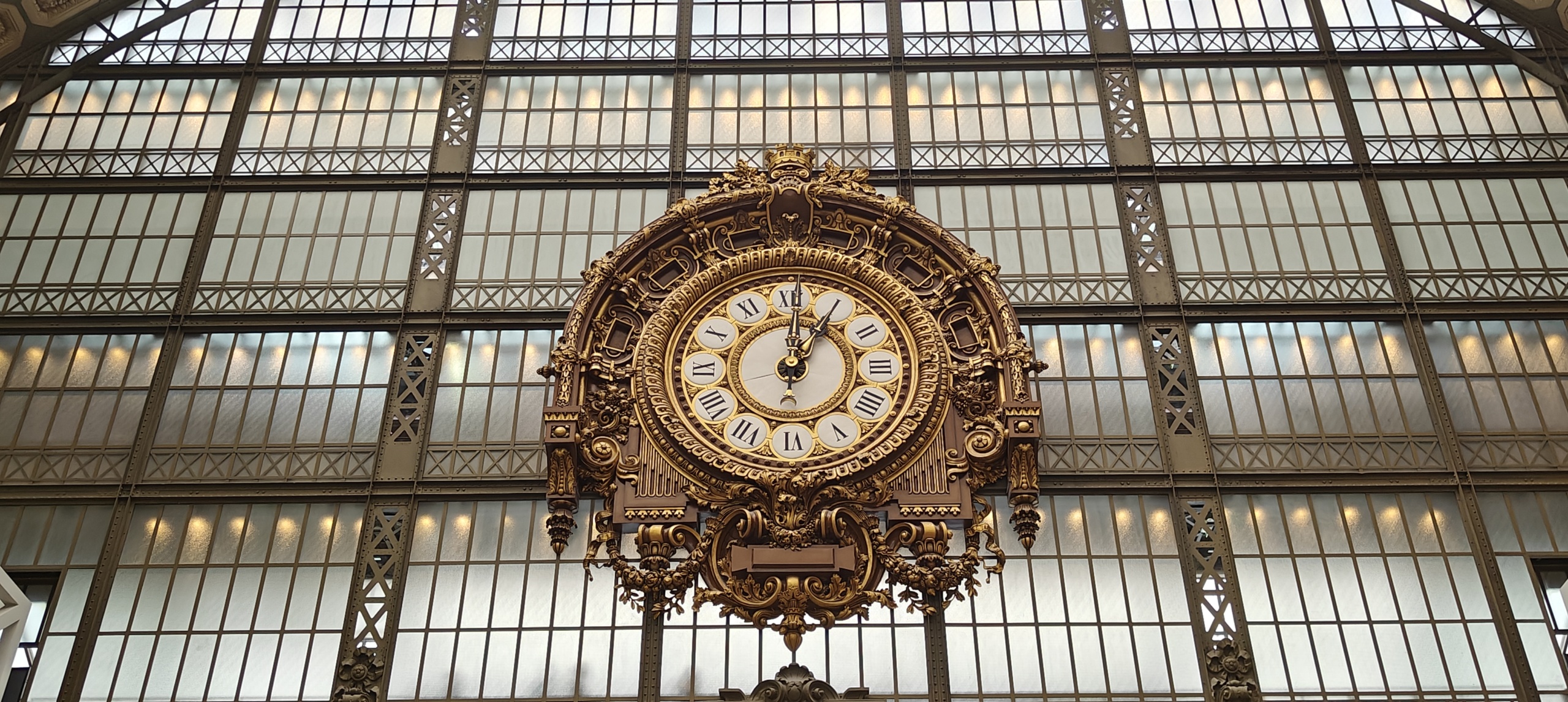
Musée d’Orsay might be my favorite museum in Paris. The Impressionist collection alone is worth the visit—Monet, Renoir, Degas, Van Gogh. The building itself, a converted railway station, is stunning. We could have spent all day there.
The Eiffel Tower is touristy for a reason. Yes, it’s crowded. Yes, you’ve seen a million photos. But standing underneath it, looking up at that iron lattice work, it still takes your breath away. We didn’t go up (the lines were insane), but just being there, seeing it in person, was enough.
Galeries Lafayette was a whole experience. That glass dome is incredible, and wandering through the department store felt like stepping into another era of Parisian luxury. We didn’t buy much, but the window shopping and the architecture alone made it worthwhile.
The Champs-Élysées delivered exactly what you’d expect—grand, wide, full of high-end shops and tourists. We strolled down to the Arc de Triomphe, people-watched, and soaked in that classic Parisian boulevard experience.
Strolling along the Seine became our favorite way to transition between neighborhoods. The bouquinistes (book sellers) with their green stalls, the views of Notre-Dame (even under renovation), the bridges, the boats passing by—it never got old. Morning or evening, the Seine walk always felt special.
Street buskers and vendors were everywhere, adding to the atmosphere. Musicians playing accordion (yes, really), artists sketching portraits, vendors selling everything from crepes to vintage posters. It’s exactly the Paris you imagine, and it’s real and happening all around you.
Le Marais Restaurants and Street Life
But here’s what surprised us most: we kept coming back to Le Marais itself for meals. The neighborhood has an incredible food scene, and we found ourselves eating dinner there almost every night. The restaurants ranged from traditional French bistros to trendy modern spots, with plenty of falafel shops and Jewish delis mixed in. The vibe was relaxed, the food was consistently good, and the streets had this energy that made every meal feel like an event.
Walking through Le Marais in the evening, the narrow streets came alive. Outdoor seating spilled onto sidewalks, wine bars buzzed with conversation, and there was always something happening—a musician on a corner, people chatting outside shops, the warm glow of restaurants beckoning you in.
Sunday afternoon on Rue Mouffetard
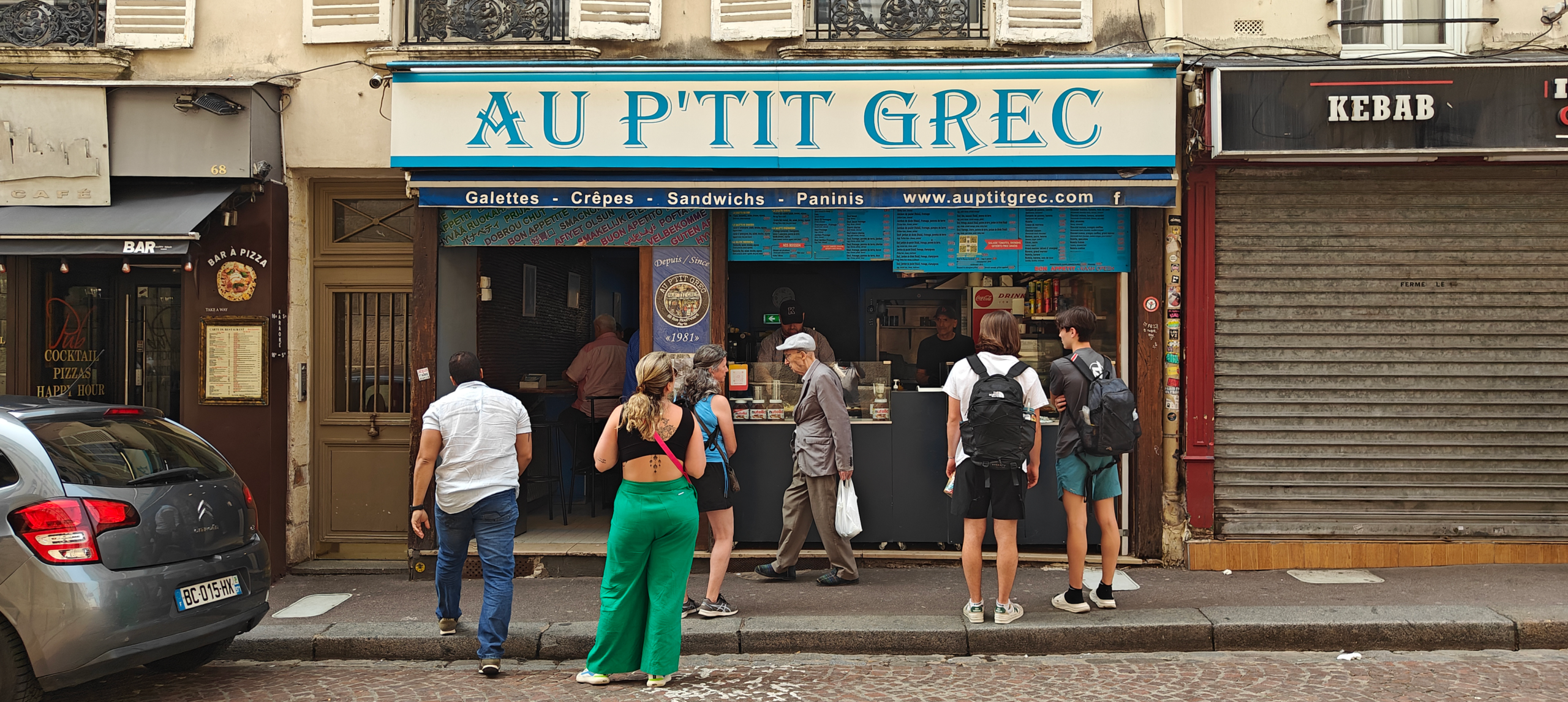
One of our favorite moments was on Rue Mouffetard, that historic market street in the Latin Quarter just a pleasant walk from Le Marais. It perfectly captures that village-in-the-city feeling Paris does so well. My sister and I ordered galettes from one of the creperies and found a bench to sit on. The galettes were absolutely huge—we couldn’t even finish them—but we sat there anyway, watching the street life unfold around us. Street vendors, locals doing their shopping, tourists wandering through. “This is exactly what I imagined Paris would be like,” my sister said. It felt like we’d been let in on a secret—and like our panicked first night was a lifetime ago.
Dodging the Tourist Traps
Le Marais has gotten trendy, which means it’s also developed its share of tourist traps. You’ll see them: the overpriced “traditional French” restaurants with laminated menus in six languages, the souvenir shops selling Eiffel Tower keychains, the cafés charging €8 for an espresso because they’re on a pretty corner.
Skip them.
The beauty of Le Marais is that the authentic stuff is right there alongside the touristy stuff. You just have to walk one street over, or look for the places where locals are actually eating. If you see a restaurant full of French people, that’s usually a good sign. If the menu is only in English, maybe keep walking.
The neighborhood rewards exploration. Don’t just stick to the main drags. Wander down the side streets, peek into courtyards, follow your nose to a bakery, trust your instincts.
Why Le Marais Just Works
Here’s what makes Le Marais special: it’s managed to be simultaneously historic and modern, traditional and progressive, touristy and local. That shouldn’t work. That should be a recipe for disaster or at least disappointment.
But somehow, the neighborhood has absorbed centuries of change without losing its soul. The medieval street plan is still there. The Jewish bakeries sit next to concept stores. Gay bars neighbor traditional bistros. Tourists take photos of the same buildings where Parisians actually live and work.
It’s dense, layered, sometimes contradictory, and absolutely alive in a way that feels increasingly rare in European cities that have been sanitized for tourists.
And the best part? It’s not precious about itself. Le Marais doesn’t feel like a museum or a theme park. It feels like a neighborhood where things are happening, where people actually live, where you can get an amazing meal or just have a perfectly nice afternoon.
The Logistics Nobody Mentions
A few practical things we learned:
Sunday is the day. While much of Paris shuts down on Sundays, Le Marais is reliably open for business. The shops, cafés, and restaurants carry on as usual, making it the perfect Sunday destination.
Afternoon dead zones are real. Many places close between lunch and dinner service. Don’t fight it. Use that time to visit museums or just sit in a park.
The cobblestones are no joke. Wear comfortable shoes. Your Instagram-worthy heels will betray you by block three.
Evening is magic. The streets get this golden light, the crowds thin out a bit, and everything feels more romantic. This is when you want to be walking around with an ice cream or sitting outside with a glass of wine. Or head down to Rue Mouffetard in the Latin Quarter (just a quick walk from Le Marais) for the evening market atmosphere.
Coming Home to Le Marais
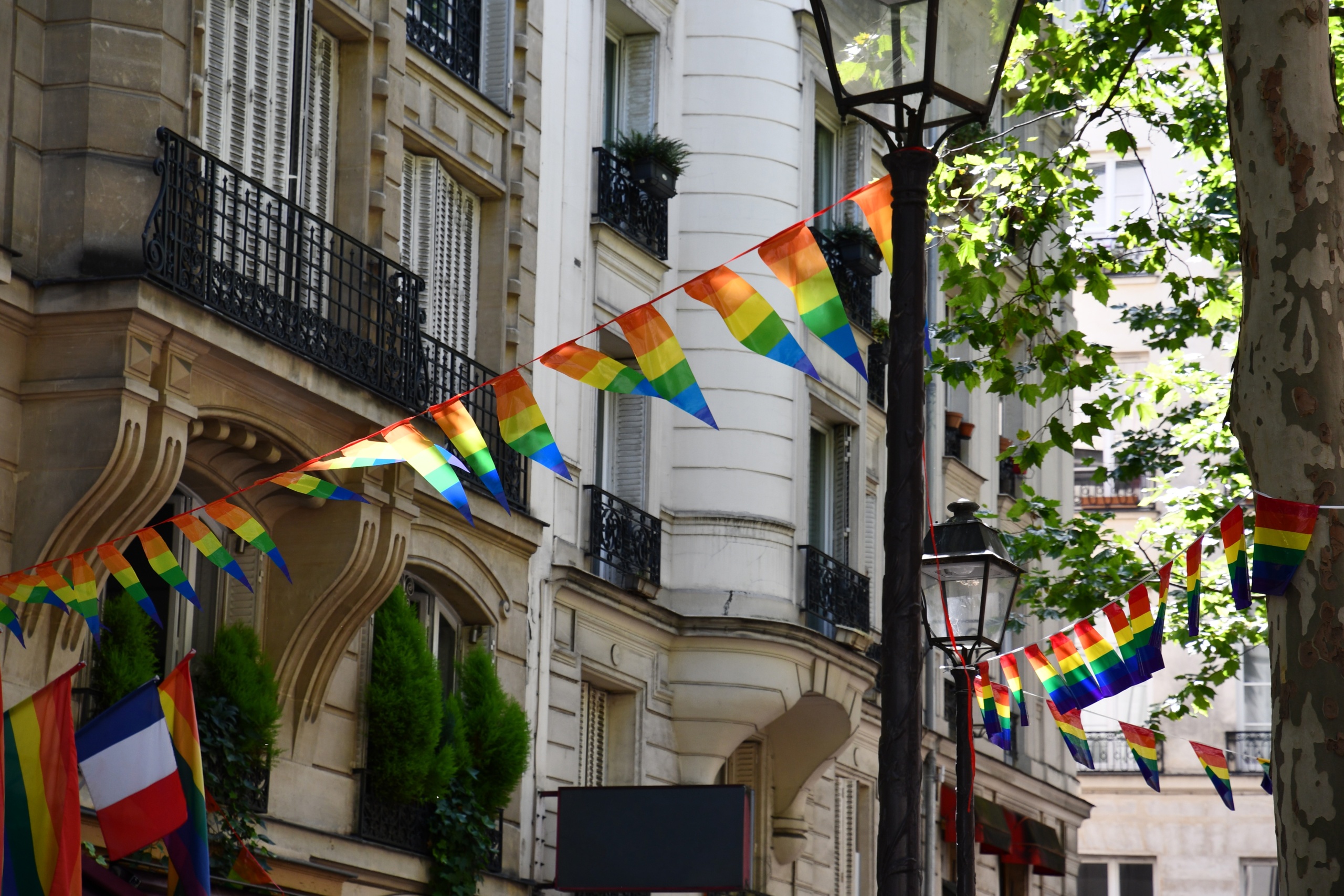
By the end of our stay, walking back to Hôtel du Plat d’Étain felt like coming home. My sister and I had our route. We knew which streets to take, where to grab a quick bite, which corners had the best buskers. And that urine smell from our first night? We barely noticed it anymore—just part of the urban symphony.
That feeling—of belonging, even temporarily, to a place—that’s the real gift of Le Marais. It’s not just beautiful or historic or trendy, though it’s all those things. It’s welcoming. It invites you to stay awhile, to slow down, to see what happens.
So yes, we arrived in the dark, scared we’d made a terrible booking mistake. Instead, we discovered we’d accidentally planted ourselves in exactly the right spot. The neighborhood extended further than we’d imagined, connected to everything that mattered, and revealed itself gradually over days of exploration.
Paris has this way of being both exactly what you expect and completely surprising. Le Marais is that paradox in neighborhood form. And honestly? My sister and I can’t wait to go back and get lost in those streets all over again.
Just maybe with better maps this time. Or maybe not. Getting lost is half the fun.