


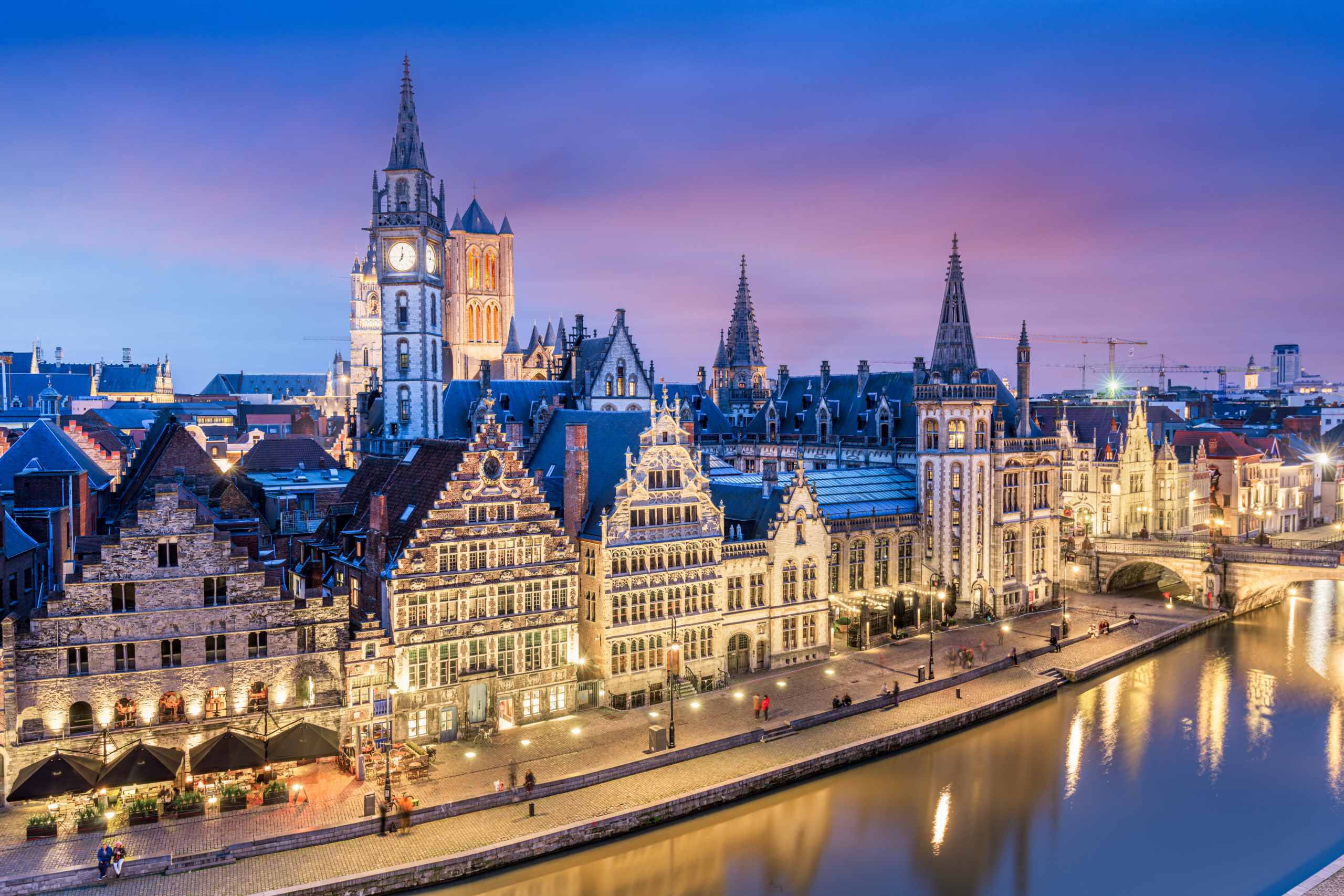
Confidence Unlocked for Canadian LGBTQ+ Travellers
The Moment of Commitment
The moment you commit to a solo trip to Europe, the air shifts. That first rush of exhilarating freedom washes over you, instantly followed by a tiny, inevitable tremor of fear. It’s the fear of the unknown, of navigating ancient cobblestone streets and ordering dinner while traveling alone, of wondering whether you’ll be welcomed as your authentic self.
But that tremor? That’s the sound of your true adventure beginning. Europe, with its reliable infrastructure, profoundly welcoming atmosphere, and thriving queer communities in major cities, is the perfect, forgiving stage for your debut.
The Magic of the 8-10 Day Itinerary
For those of us crossing the Atlantic from Canada, time is precious. You likely have a focused window, that glorious span of 8-10 days in Europe, and a burning desire to soak up everything from Renaissance art to vibrant European culture and perhaps even a bit of the legendary European queer scene.
This duration isn’t a limitation; it’s a strategic advantage. Studies show that a 10-day itinerary strikes the perfect balance, allowing you to immerse yourself deeply in two or three major cities without succumbing to the exhausting rush of trying to see fifty countries at once.
The key to a successful first time in Europe journey is focus. We won’t try to cram in the entire continent; instead, we’re aiming for depth: the scent of fresh pasta in Italy, the soulful music of Portugal, or the stunning architecture of Spain, all while connecting with welcoming communities along the way.
Choosing Your Solo Stage: Portugal vs Italy
When planning your route, the choice often comes down to flavor and comfort: Do you seek monumental history and dramatic mountain views, or accessibility, vibrant coastal experiences, and progressive attitudes? Top recommendations for first-timers consistently point toward Italy or Portugal.
Both destinations rank highly for LGBTQ+ safety and acceptance, with Portugal particularly standing out as one of Europe’s most progressive countries. Cities like Lisbon have thriving queer neighbourhoods, while Italian cities offer a cosmopolitan openness, especially in Rome, Florence, and Venice.
Imagine the grandeur of Rome, Florence, and Venice, where every turn reveals a masterpiece, or perhaps the sun-drenched tiles and gentle hills of Lisbon and Porto, cities that have embraced Pride celebrations and queer culture with open arms.
Whether you crave the dramatic ruins of Rome or the accessible charm of Lisbon’s pink street in Bairro Alto, these destinations offer safety, easy transportation, and unparalleled access to the kind of profound European culture that stays with you long after you return home.
The Perfect Timeline: Why 10 Days Unlocks Your Solo Trip to Europe
When you map out your first time in Europe, the duration question hits hard. Should you rush through a single week, or commit to a daunting, overwhelming month?
Based on the experiences of countless debut travelers, the answer is beautifully simple: 10 days strikes the ideal balance.
Studies show that an 8-10 day itinerary balances travel time and sightseeing effectively. This is your sweet spot for maximizing enjoyment and minimizing the stress of constant movement.
Ten days gives you just enough time to truly unpack your suitcase, metaphorically speaking, in three distinct locations. You get past the initial jet lag, that heavy, fuzzy feeling, and actually start to feel the true pulse of European culture.
You want to feel the warm sun on your face in a Roman piazza, taste the salt air along the Amalfi Coast, or dance the night away at a queer club in Barcelona—not just experience the stale air of an airport terminal or the inside of a train station.
Trying to cram in more than three cities, or perhaps four highly concentrated ones (like attempting to combine London, Paris, and then Rome, Florence, and Venice all at once) is a recipe for burnout.
We want you to feel the rhythm of life in Portugal or the deep history of Italy, ensuring your solo trip to Europe is defined by genuine connection, not exhaustion.
Choosing Your Stage: Portugal, Italy, or Spain for Your First Solo Trip to Europe?
You’ve committed to the 10-day timeline, the perfect duration that balances travel time and sightseeing effectively. Now comes the delicious dilemma: where exactly should you begin this adventure?
The solo traveler community constantly debates the ideal starting point for a first time in Europe. Do you crave the historic grandeur of Italy, the vibrant coastlines of Portugal, or the passionate energy of Spain?
The good news, according to analysis of flight costs, is that airfares from major Canadian hubs like Toronto, Vancouver, and Montreal are competitive across these three popular destinations. This means your choice is purely about what stirs your soul: culture, budget, scenery, or social activity.
LGBTQ+ Considerations for Your Destination Choice
All three countries—Portugal, Italy, and Spain—have strong legal protections for LGBTQ+ individuals and vibrant queer communities in their major cities. However, there are some distinctions worth noting:
Portugal consistently ranks as one of the most LGBTQ+-friendly countries in Europe, with same-sex marriage legal since 2010 and strong anti-discrimination laws. Lisbon’s queer scene is welcoming and integrated throughout the city, not just confined to specific neighbourhoods.
Spain was the third country in the world to legalize same-sex marriage (2005) and has one of Europe’s most visible and celebrated LGBTQ+ communities. Madrid and Barcelona both host massive Pride celebrations and have extensive queer neighbourhoods.
Italy is more complex: major cities like Rome, Florence, and Venice are cosmopolitan and generally welcoming, though Italy as a whole tends to be more socially conservative than Spain or Portugal. That said, urban centres have active LGBTQ+ communities and are safe for queer travelers.
The Great European Culture Debate: Portugal vs Italy
For many, Italy is the essential, undeniable starting point. It offers unparalleled history and gastronomy, feeling like the definitive introduction to European culture. If your core interests lie in ancient ruins, Renaissance art, and incredible European food, Italy is calling your name.
However, if you’re seeking a slightly more accessible solo travel budget experience combined with stunning water views, deeply rooted history, and one of Europe’s most progressive atmospheres, Portugal is an unbeatable choice. It offers mountain views and dramatic cliffs that Italy’s major hubs often lack, plus a remarkably welcoming culture.
Spain, meanwhile, offers a magnificent blend of both elements, boasting world-class nightlife (including some of Europe’s best queer clubs) and unique architecture, especially in cities like Barcelona and Madrid.
Itinerary A: The Italian Trifecta of Rome, Florence, and Venice
This route is a classic for a reason, perfect for the traveler eager for a deep dive into history and art. It maximizes sightseeing while minimizing complex logistics, as the cities are beautifully connected by high-speed trains.
Days 1-4: Rome, The Eternal City
Fly into Rome and spend four days immersing yourself in history that feels palpable. Walk the Roman Forum, toss a coin in the Trevi Fountain, and explore the Vatican. Rome is dense, but highly walkable, making it perfect for your debut solo trip to Europe.
LGBTQ+ Scene in Rome: Rome has a growing queer scene, particularly in the Testaccio and San Lorenzo neighbourhoods. Coming Out, a bar near the Colosseum, is a welcoming spot. The annual Roma Pride in June draws massive crowds.
Days 5-7: Florence, The Cradle of the Renaissance
A short, comfortable train ride brings you swiftly to Florence. Here, you trade ancient ruins for artistic masterpieces. Climb the Duomo for breathtaking views and spend a full day exploring the Uffizi Gallery. This is a crucial stop for experiencing the depth of European culture.
LGBTQ+ Scene in Florence: Florence is smaller and more conservative than Rome, but still has a queer-friendly atmosphere in the city centre. Tabasco and YAG Bar are popular spots.
Days 8-10: Venice, The Floating Dream
Take the train north to Venice. Allow yourself to get wonderfully lost in the narrow alleyways and across the hundreds of small bridges. This is the perfect, reflective place to slow down before your flight home, offering a necessary moment of peace after intensive sightseeing.
LGBTQ+ Scene in Venice: Venice is relatively small for nightlife, but Il Muro and Caffe Blue are welcoming queer-friendly venues.
If you find yourself with an extra day during your 8-10 days in Europe, consider a day trip from Florence to Siena or Lucca, allowing for deeper exposure to local customs outside the major tourist hubs.
Itinerary B: Iberian Charm and the Europe Travel Budget Advantage
If your heart yearns for colorful tiles, dramatic cliffs, a slightly more relaxed pace, and one of Europe’s most LGBTQ+-welcoming environments, consider the Iberian Peninsula. This route often offers a better budget experience than Italy or France, though Spain can rival Italy in cost.
Days 1-4: Lisbon, The City of Seven Hills
Fly into Portugal and start in Lisbon. Explore the historic Alfama district, ride the iconic Tram 28, and enjoy the soulful Fado music. The stunning mountain views and coastal water views here make for an unforgettable arrival.
LGBTQ+ Scene in Lisbon: Lisbon is exceptionally welcoming. The Príncipe Real neighbourhood is the heart of the queer community, filled with bars, cafes, and shops. Finalmente and TR3S are popular nightlife spots. Lisbon Pride in June is a major celebration.
Days 5-7: Porto, The Douro Delight
Take a train up the coast to Porto. This city feels more intimate and offers incredible culinary experiences, especially the famous Port wine. The journey between Lisbon and Porto is simple and efficient for the solo trip novice.
LGBTQ+ Scene in Porto: Porto has a smaller but vibrant queer scene. Pride Coffee and Zoom are welcoming spots, and Porto Pride has been growing each year.
Days 8-10: Barcelona, Catalan Creativity
This is where strategic coordination of air and rail transport comes into play. Fly from Porto to Barcelona (a quick, affordable flight often found on low-cost carriers like Ryanair). Finish your 10-day Europe itinerary among the fantastical architecture of Gaudí.
LGBTQ+ Scene in Barcelona: Barcelona is a queer paradise. The Eixample neighbourhood (nicknamed “Gaixample”) is filled with LGBTQ+ venues. Beaches like Mar Bella have designated gay sections. Circuit Festival in August is one of Europe’s largest gay events.
Logistics: Maximizing Your 10-Day Europe Itinerary
Successfully navigating transportation is key to maximizing your first time in Europe. Whether you choose Portugal, Italy, or Spain, utilizing the excellent European rail networks is vital for moving between major cities like Rome, Florence, and Venice.
Remember that confidence is built by achieving small victories. Successfully navigating the metro in Lisbon or ordering dinner in Florence without a hitch feels like winning the lottery on your first solo trip.
For budget-conscious travelers, selecting a place to sleep often means investigating Europe hostels. Many offer comfortable options, including the safety of a private room, which balances cost savings with the desire for privacy while traveling alone. Look for LGBTQ+-friendly or queer-owned accommodations for added comfort.
Focusing on 3-4 major cities over 8-10 days allows for a strategic plan to maximize sightseeing and truly absorb the local European culture, rather than just rushing through train stations.
The Freedom of Movement: Mastering Solo Logistics for Your First Time in Europe
When you’re traveling alone on your solo trip to Europe, efficiency isn’t just a preference, it’s a superpower. You’re holding the reins of your own adventure. The sheer beauty of Europe lies in its compact geography and the effortless coordination of air and rail transport that stitches its historic cities together.
Your 8-10 days Europe itinerary begins the moment you book that first flight from Canada. Forget the myth that certain entry points are drastically cheaper. Flight costs across destinations like Portugal, Spain, and Italy are often surprisingly similar from major Canadian cities.
To maximize your sightseeing time, think ‘open-jaw.’ Fly into a major hub like Lisbon and fly out of Rome, avoiding the soul-crushing travel time spent backtracking. This strategic structuring ensures every precious hour of your solo trip is spent exploring European culture, not waiting at an airport.
Canadian Travel Tip: eTA and Schengen
As a Canadian citizen, you don’t need a visa for short stays in the Schengen Area (which includes Portugal, Spain, Italy, and most of Europe). However, starting in 2025, Canadians need to apply for ETIAS (European Travel Information and Authorization System) before traveling—similar to the US ESTA system. It’s a simple online application costing approximately €7.
Once your feet touch European soil, the train becomes your trusted companion. This is the true backbone of inter-city travel, offering comfortable, reliable passage and those incredible, sweeping mountain views and water views of the countryside.
Utilizing high-speed options is essential for a short duration. Imagine gliding from Rome to Florence, watching the ancient landscape blur past, pure Italy travel magic. Similarly, high-speed rail makes Portugal travel between Lisbon and Porto effortless.
Booking your train tickets in advance saves significant money and stress on your solo travel budget. For your first time in Europe, stick to major, well-connected hubs. Whether you choose Portugal, Spain, or Italy, cities like Rome, Lisbon, or Barcelona offer seamless coordination of air and rail transport.
Many dream of the classic London and Paris pairing. While the high-speed Chunnel train offers an iconic, unforgettable journey between them, remember the time constraints.
For a focused 8-10 days Europe itinerary, dedicating too much time to international transfers (even via the Chunnel) can cut deeply into your sightseeing time, making a deep exposure to local customs in one region (like Rome, Florence, and Venice or Lisbon and Porto) a more rewarding choice for your debut solo trip.
This concentrated approach allows you to truly savor the European food and architecture, moving beyond familiar experiences and maximizing your solo travel budget.
Selecting a Place to Sleep: Accommodation Choices for Solo LGBTQ+ Travelers
When you finally step off the train or land at the airport, perhaps arriving in Portugal to begin your adventure, the first sensation is a rush of pure, unadulterated freedom. But that feeling requires a safe, clean harbour to recharge. Your accommodation choice on this solo trip to Europe is more than just a bed—it’s your anchor, your social hub, and your sanctuary.
For many embarking on their first time in Europe, the initial anxiety centres around isolation and safety. How do you meet people when traveling alone? How do you ensure you’re staying somewhere welcoming?
The answer often lies in the buzzing, chaotic energy of Europe hostels, particularly those that market themselves as LGBTQ+-friendly or queer-welcoming. Hostels are where stories are traded over shared meals and where you find impromptu companions for your next day of sightseeing, whether you’re planning to explore the ancient ruins of Rome or the winding canals of Venice.
LGBTQ+-Friendly Accommodation Resources
- misterb&b: The Airbnb equivalent for LGBTQ+ travelers, offering rooms and apartments in queer-friendly homes worldwide
- Purple Roofs: A directory of LGBTQ+-welcoming accommodations, including hotels, B&Bs, and hostels
- International Gay & Lesbian Travel Association (IGLTA): Lists certified LGBTQ+-friendly hotels and tour operators
However, community doesn’t have to mean sacrificing restorative sleep. This is where the concept of the private room hostel truly shines. It’s the perfect compromise for the traveler who wants to stretch their solo travel budget while still guaranteeing the peace and quiet needed to tackle Florence or Barcelona the next day.
You gain access to the common areas, the organized tours, and the shared kitchens, ideal for connecting with others exploring Spain or Italy, but you retreat to your own space when the day is done.
Solo Accommodation Comparison (Estimated Cost Per Night, 2026)
| Accommodation Type | Average Cost (CAD) | Social Opportunity | Privacy Level | LGBTQ+ Friendly Options |
|---|---|---|---|---|
| Hostel Dorm Bed | $35 – $60 | High | Low | Look for Rainbow-certified hostels |
| Private Room Hostel | $95 – $150 | Medium-High | Medium-High | Many European hostels explicitly welcome LGBTQ+ guests |
| Budget Hotel/B&B | $120 – $200 | Low | High | Check Purple Roofs or misterb&b reviews |
| misterb&b Private Room | $80 – $180 | Medium | High | Specifically LGBTQ+-focused platform |
Financial planning for the journey starts with prioritizing this comfort/cost balance. Aiming for the private room hostel option or a misterb&b stay allows you to dip into the social scene and meet other travelers, which is invaluable when planning an ambitious 8-10 days Europe itinerary.
This strategy ensures that your base of operations in places like Lisbon and Porto (for Portugal travel) or Rome and Florence (for Italy travel) remains both affordable and conducive to meeting others, moving beyond familiar experiences and embracing the diverse European culture.
Guarding Your Gold: How to Master Your Solo Trip Europe Budget
Once your safe haven is secured, that cozy private room or welcoming misterb&b, the next question whispers in your ear: How much do I need to truly enjoy this journey? This solo trip to Europe is an investment in yourself, and structuring your Europe travel budget isn’t about deprivation; it’s about strategic, confidence-boosting spending.
Understanding Canadian Dollar Exchange Rates
As a Canadian traveler, you’ll be dealing with the Euro (€) in most of these destinations. The exchange rate fluctuates, but generally expect €1 to equal approximately $1.45-1.55 CAD. This means your dollars don’t stretch quite as far as they might for American travelers, so budget accordingly.
For your first time in Europe, especially on an 8-10 days itinerary, most Canadian travelers find comfort aiming for a daily spend between $135 and $200 CAD. This covers your European food, local transport, and those spontaneous activities.
Keeping the total ground budget around $1,350 to $2,000 CAD allows for rich experiences across Portugal, Italy, or Spain without panic.
Eating Like a Local (And Saving Euros)
The quickest way to drain your solo travel budget is sitting down for three full meals a day in tourist traps. Instead, immerse yourself in the local culinary rhythm. When you’re exploring Rome or Florence, skip the main squares for lunch.
Grab a slice of pizza al taglio or a fresh panino from a market stall. The aroma alone is worth the price, and suddenly, you’ve saved €15-20 for a better dinner.
For your evening meal, look for little local trattorias in Italy or tascas in Portugal, places where the locals eat and the flavors are deep, guaranteeing a memorable experience of European food far from the crowds of Venice.
Strategic Sightseeing
Sightseeing can feel like a race to check off monuments, but paying for every entry adds up fast. Before you commit to a city pass, map out your 8-10 days itinerary. Will you truly visit enough attractions to justify the expense?
Sometimes, paying separately for one or two major, unforgettable sites (like gazing up at the Duomo in Florence or walking through the ancient Colosseum in Rome) is the smarter solo travel budget move. Focus on architecture that truly moves you.
Mastering Local Transport
The best way to understand the pulse of a city, whether it’s Barcelona, Madrid, or the winding hills of Lisbon and Porto, is to walk. Your feet are your cheapest and most rewarding transport system, leading you to unexpected mountain views and hidden squares.
When distances are too great, utilize day passes for trains and metros. This small coordination planning ensures you’re never paying premium prices for single trips, keeping your financial planning solid and your energy high for Europe nightlife.
Remember, the goal of your solo trip to Europe is discovery, and often, the most valuable discoveries cost nothing at all.
The Sun-Drenched Decision: Navigating Summer Travel Europe
You’ve secured the funds for your solo trip to Europe, and now your mind drifts to golden light and endless days. Many first-timers dream of travel in July or August, imagining the perfect summer travel Europe experience.
But here’s the truth whispered by veteran travelers: the sun is glorious, yes, but the heat can be intense, and the crowds often feel like a physical crush.
Pride Season Considerations
If you’re planning your trip around Pride celebrations, you’re in luck—many European Pride events happen in June and early July:
- Lisbon Pride: Usually mid-June
- Madrid Pride: Late June/early July (one of Europe’s largest)
- Rome Pride: Early-mid June
- Barcelona Pride: Late June
- Amsterdam Pride: Late July/early August (famous for its canal parade)
These events offer incredible opportunities to connect with local and international LGBTQ+ communities, but they also mean higher accommodation costs and more crowded cities.
If your 8-10 days Europe itinerary focuses on iconic sightseeing spots like the legendary triangle of Rome, Florence, and Venice, or the stunning views of the Amalfi Coast, you must prepare.
Picture standing shoulder-to-shoulder just to glimpse the Trevi Fountain. The European culture is buzzing, but the mercury is rising rapidly across Italy and Spain.
If summer is your only option for your first time in Europe, treat the midday sun like a powerful foe. Plan your major sightseeing for the serene early mornings or the soft, late afternoons when the light is perfect for photography.
Crucially, booking tickets for every major site weeks, or even months, in advance is non-negotiable during peak summer travel. This is the only way to safeguard your precious time.
For a quieter, richer experience, consider the shoulder seasons. May, early June, September, and October offer delightful weather, fewer lines, and often better pricing for your solo travel budget.
This flexibility allows you to savor the architecture and European food without the summer rush, making it easier to structure your journey route and truly enjoy moving beyond familiar experiences.
Charting Your Course: Beyond the Sun-Drenched Classics
Your first time in Europe demands a route that feels right, whether it’s the familiar glow of Italy, the vibrant plazas of Spain, or the coastal charm of Portugal. Yet, the continent holds countless treasures waiting for the solo traveler who dares to look slightly off the beaten path.
While the initial focus for travelers from Canada usually lands on Rome, Florence, and Venice, many find immense value in exploring destinations offering a distinct, often more affordable, flavor of European culture.
The Central European Rhapsody: Vienna, Budapest, and Prague
If you crave dramatic architecture, fairy-tale squares, and a history that whispers from every cobblestone, consider the magnificent Central European trio. This 8-10 days Europe itinerary is perfect for travelers prioritizing their solo travel budget while soaking up deep European culture.
LGBTQ+ Note: These cities have varying levels of acceptance. Vienna and Prague are generally welcoming in urban areas with visible queer scenes, though Austria and Czech Republic aren’t quite as progressive as Portugal or Spain. Budapest has a small but vibrant underground LGBTQ+ scene, though Hungary’s current political climate is less favourable to LGBTQ+ rights.
The combination of Vienna, Budapest, and Prague offers excellent value. It allows for deep exposure to local customs and a chance to experience history without the intense price tag often associated with the classic routes like Amalfi Coast travel.
Here’s how to structure this rewarding journey:
- Prague (4 Days): Start amidst the medieval charm of the Czech capital. Its beautiful bridges and architecture make it endlessly photogenic. Saints Bar and Termax are LGBTQ+ venues.
- Vienna (3 Days): A short train ride delivers you to Vienna, the capital of imperial palaces and classical music. The Naschmarkt area has several queer-friendly cafes and bars.
- Budapest (3 Days): Finish in the Hungarian capital, famous for its thermal baths, nightlife, and vibrant ruin bars. Alterego and Capella are popular LGBTQ+ spots.
This route maximizes your time and minimizes travel fatigue, a critical consideration for any first time Europe adventure.
The Power of the 10-Day Europe Itinerary
Studies consistently show that 8-10 days is the optimal duration for first-time travelers embarking on a solo trip to Europe. This timeframe allows you to visit three to four cities or up to three countries without feeling frantically rushed.
The goal is maximized sightseeing combined with moments of genuine relaxation. Strategic coordination of air and rail transport, flying into a major hub like Lisbon and utilizing high-speed trains, is essential for balancing this ambitious schedule.
Iconic Landmarks vs. Cultural Depth
Another beloved option is the combination of London and Paris. Utilizing the Chunnel makes the transition seamless, prioritizing quick access to iconic landmarks for travelers coming from Canada.
LGBTQ+ Note: Both London and Paris have thriving, well-established queer scenes. London’s Soho and Paris’s Marais district are legendary LGBTQ+ neighbourhoods with decades of history.
However, when you only have 10 days in Europe, splitting your time between two massive global cities means you might sacrifice the diversity of European culture gained by moving through different regions, like the shift from Portugal (Lisbon and Porto) to Spain (Barcelona).
For your first solo trip to Europe, many travelers find the cultural shift between smaller nations more satisfying than spending five days in London and five days in Paris.
Structuring the Journey Route for Spontaneity
The true heart of solo travel in Europe is the freedom to change your mind. The goal is always to move beyond familiar experiences and step out of your comfort zone.
Whether you commit to the ancient stones of Rome, Florence, and Venice, or the sun-drenched plazas of Portugal, structure your journey to allow for spontaneity. Don’t over-schedule every minute.
Leave space to simply sit at a quiet cafe, watch the world go by, perhaps strike up a conversation with a local or fellow traveler, and feel the pulse of Europe. That quiet, unscripted moment is often the most profound part of traveling alone.
Answering the Solo LGBTQ+ Traveler’s Burning Questions
When you start sketching out your 10-Day Solo Europe Itinerary, the practical questions hit harder than the inspirational ones. How much time is enough? Where should I even land? Where will I feel safest and most welcomed? The beautiful nervousness of traveling alone gives way to logistical puzzles, but the answers are simpler than you think.
How long should my first solo trip to Europe actually be?
That tiny voice inside your head might whisper, “I need three weeks!” But for your true debut, the optimal duration is compact and powerful. Studies show that 8-10 days is the perfect timeframe for first-timers.
This duration allows you to truly feel the rhythm of European culture without the crushing fatigue of moving every single day. You get to unpack, breathe the air, and absorb the architecture in 2-3 major cities, making this first time in Europe deeply rewarding.
Which route offers the best introduction to European culture, food, and LGBTQ+ community?
Choosing your landing spot feels like the biggest decision, but really, you’re choosing a feeling. Many Canadian travelers gravitate instantly toward the historical weight of Italy. And why not? Walking through Rome, Florence, and Venice is like stepping into a dream.
However, the fierce Portugal vs Italy debate often comes down to accessibility, ease, and progressive values. Portugal, particularly exploring Lisbon and Porto, offers an intoxicating blend of incredible European food, affordability, dramatic water views, and one of the most LGBTQ+-welcoming atmospheres in Europe.
Spain, with the energy of Barcelona and Madrid, offers fantastic nightlife (including some of Europe’s best queer clubs and events), but if you seek sheer, concentrated beauty and historic sightseeing, starting with Italy or Portugal will unlock your confidence immediately.
For LGBTQ+ travelers specifically, Portugal and Spain edge ahead of Italy in terms of legal protections, visibility, and community infrastructure, though all three countries’ major cities are generally safe and welcoming.
Can I really afford a solo trip to Europe? What should my budget look like in CAD?
The fear of financial strain often stops people before they even look at a map. But yes, you absolutely can afford this adventure. Financial planning for the journey is essential, and the biggest savings come from smart accommodation choices.
Choosing a private room hostel or misterb&b accommodation often offers the security and comfort you need while keeping your solo travel budget tight.
Travel logistics are equally important. Flight costs from Canadian cities like Toronto, Vancouver, or Montreal to major hubs like Rome or Lisbon are often comparable. Once you land, utilize the incredible European rail networks. Low-cost airlines like Ryanair make coordination of air and rail transport surprisingly cost-effective for jumping between distant countries.
Budget Breakdown (CAD, excluding flights):
- Budget Traveler: $135-165/day ($1,350-1,650 for 10 days)
- Mid-Range Traveler: $165-200/day ($1,650-2,000 for 10 days)
- Comfortable Traveler: $200-270/day ($2,000-2,700 for 10 days)
How do I maximize sightseeing in just 8-10 days?
The secret to a successful 8-10 days Europe itinerary is ruthless prioritization. Since you only have ten days, you must decide: Do you want depth or breadth?
If you choose Italy, you can comfortably combine Rome, Florence, and Venice, moving quickly between the major sights. If your heart yearns for coastal views, you might dedicate more time to the breathtaking Amalfi Coast. Alternatively, some first-timers choose the classic combination of London and Paris, utilizing the Chunnel for a seamless cultural shift.
Studies show that a 10-day trip can effectively include up to three or four cities, provided they’re linked by fast, efficient trains. This strategic planning ensures you maximize your exposure to the stunning architecture and mountain views without feeling totally drained.
Where will I feel safest and most welcomed as an LGBTQ+ traveler?
This is perhaps the most important question for many queer travelers. The good news is that Western Europe, particularly the destinations recommended in this guide, is generally very safe for LGBTQ+ travelers.
Safest Destinations (in order):
-
- Portugal (especially Lisbon and Porto): Exceptional legal protections, highly visible and integrated queer community
- Spain (especially Madrid and Barcelona): Strong legal protections, massive Pride celebrations, vibrant nightlife
- Major Italian Cities (Rome, Florence, Venice): Generally safe and cosmopolitan, though less progressive than Portugal/Spain
- London and Paris: Long-established queer communities, excellent legal protections