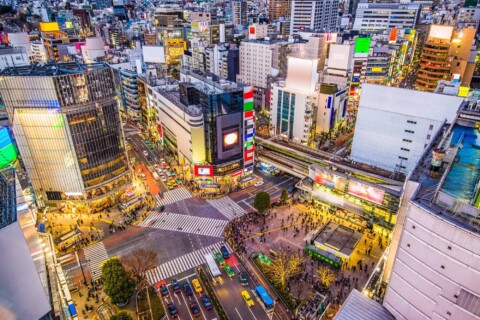




Welcome to Harajuku’s Beating Heart
Step off the train at JR Harajuku Station, and you’ll find yourself standing at the entrance to one of Tokyo’s most electrifying streets. Takeshita Dori, as locals call it, stretches just 400 meters, but within that short distance lies a world of vibrant chaos that has captivated visitors for decades.
This isn’t the quiet, contemplative Japan you might expect. Instead, Takeshita Street pulses with energy—a sensory experience where fashion, food, and youth culture collide in the most spectacular way imaginable.

Where Fashion Speaks Its Own Language
What makes Takeshita Street truly remarkable is its role as a living laboratory for Japanese fashion. Walk down this narrow lane on any given day, and you’ll witness an extraordinary parade of styles. Sweet Kawaii fashion enthusiasts in pastel colors and ribbons pass by Gothic Lolita fashionistas in elaborate black dresses. Edgy grunge looks stand shoulder to shoulder with neon streetwear.
The boutiques here tell their own stories. ACDC Rag has become legendary for its colorful, rebellious aesthetic. Boutique Takenoko continues to define the cute and quirky Kawaii movement. For vintage hunters, Panama Boy offers treasures from decades past, while W C provides accessible, trendy pieces that capture the moment’s zeitgeist.
The influence of this single street extends far beyond Tokyo. Global icons like Lady Gaga have walked these very sidewalks, drawing inspiration from the fearless creativity on display. What begins here as a street trend can, within months, appear on runways worldwide.
A Sweet Tooth’s Paradise
If you thought Takeshita Street was only about clothing, prepare to be delightfully surprised. The aroma of vanilla and sugar wafts through the air, guiding visitors toward some of Tokyo’s most photogenic treats.
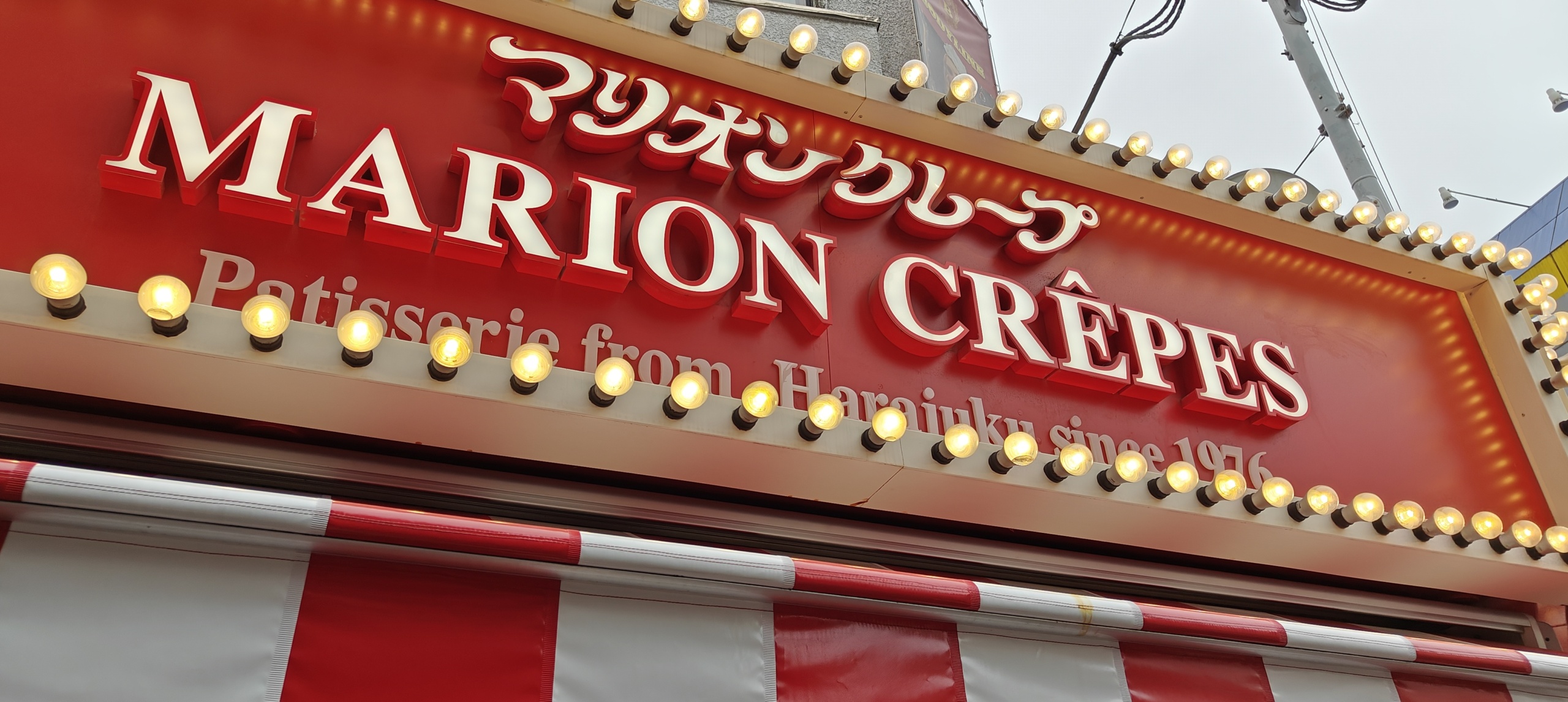
The Harajuku crepe has achieved legendary status here. These aren’t simple street snacks—they’re architectural marvels of dessert engineering, stuffed with layers of cheesecake, ice cream, fresh strawberries, and cream. Marion Crepes often draws the longest queues, while Angels Heart offers countless customizable combinations.
Then there’s Totti Candy Factory, where enormous clouds of rainbow-colored cotton candy have become social media sensations. These towering confections are almost too beautiful to eat—almost.
For those needing a savory counterpoint, Calbee serves freshly fried potato chips straight from the fryer, often topped with melted cheese or butter. It’s the perfect fuel for continuing your exploration.
The Art of the Deal
Budget-conscious travelers will find a friend in Takeshita Street. The massive Daiso store operates on a simple principle: quality items for just 100 yen. Here, you can stock up on everything from Kawaii stationery to cosmetics and snacks without breaking the bank.
But the street offers more than just material goods. The Purikura photo booths represent a uniquely Japanese experience—high-tech photo machines that filter, enhance, and beautify, allowing you to print customized, decorated photos with friends. It’s a ritual of modern Japanese youth culture.
Gachapon machines line the walls, offering the thrill of chance. These capsule toy dispensers contain tiny, surprisingly detailed treasures—anime characters, miniature food replicas, quirky collectibles. You never quite know what you’ll get, and that’s part of the appeal.
Timing Your Visit
Understanding when to visit can dramatically shape your experience. The street transforms throughout the day and week.
Weekday mornings, particularly between 10:30 AM and noon, offer the most relaxed browsing. The crowds are manageable, the shops have just opened, and you can actually stop to examine items without feeling rushed.
Weekday afternoons bring a steady buzz—energetic but not overwhelming. It’s an ideal time for people-watching and grabbing street food without excessive waits.
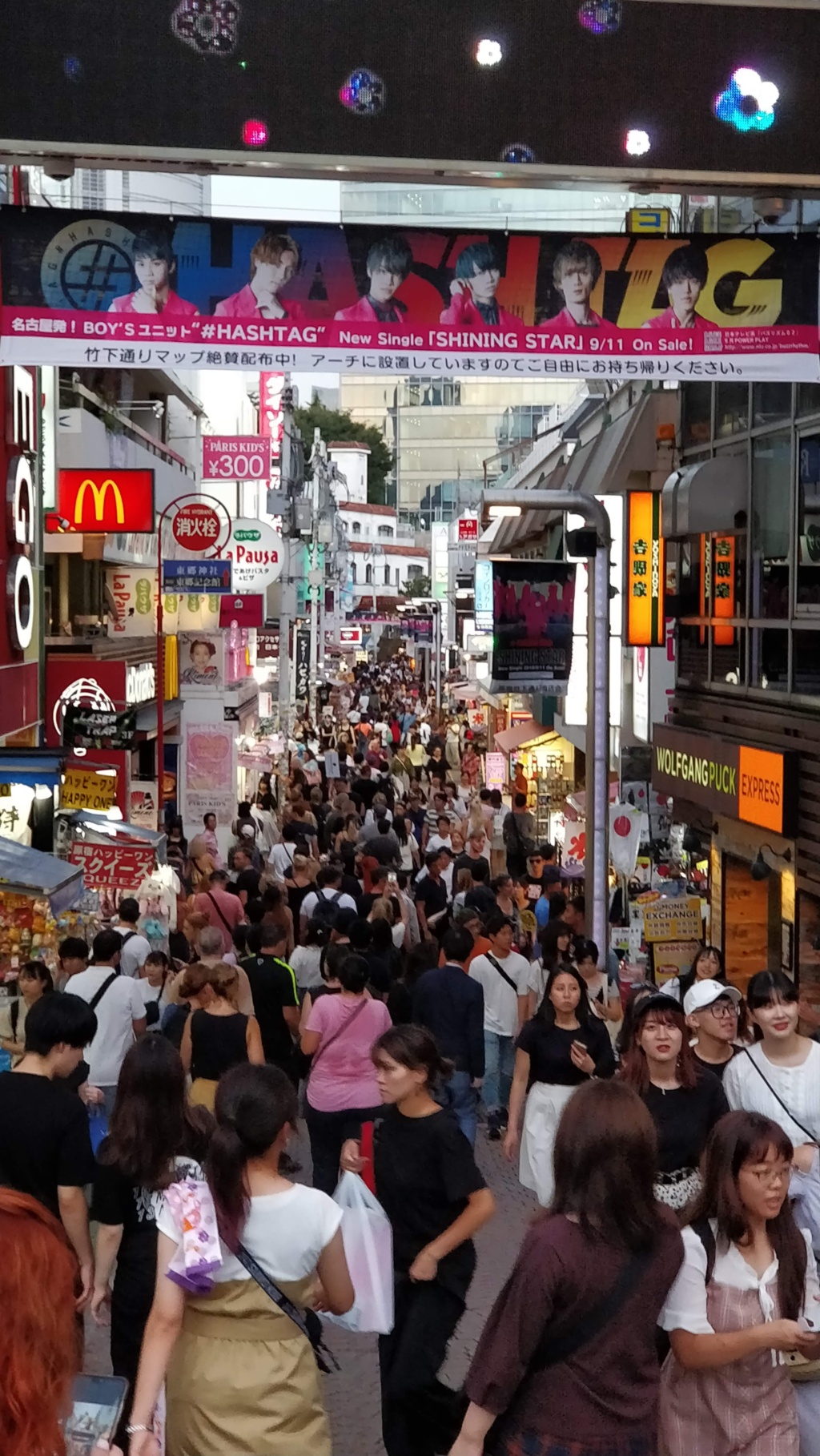
But weekend afternoons between noon and 5:00 PM? That’s when Takeshita Street reveals its true nature. The crowds swell to almost unimaginable density. Moving becomes a slow shuffle. Yet this is also when you’ll see the most elaborate fashion displays, when the street’s energy reaches its absolute peak. If you want to understand Tokyo youth culture at its most intense, this is your moment.
Evenings bring a quieter atmosphere, though some smaller boutiques begin closing their doors. It’s a good time for a peaceful stroll after the day’s rush.
Practical Wisdom
A few pieces of advice for navigating this unique space:
Comfortable shoes are essential. High heels and dense crowds don’t mix well. Cash remains king for street food vendors and smaller shops. Don’t forget to look up—some of the best boutiques hide on upper floors, away from the main street’s chaos.
When the crowds feel overwhelming, duck into the side streets off Takeshita Dori. Here you’ll find quieter boutiques, hidden cafes, and vintage shops that offer breathing room and often more unique finds.
Your phone will work overtime capturing all the color and creativity, so a portable charger becomes a valuable companion.
Getting There
Reaching Takeshita Street couldn’t be simpler. Take the JR Yamanote Line to Harajuku Station and follow signs for the Takeshita Exit. You’ll emerge directly across from the street’s iconic colorful entrance gate.
The Question Everyone Asks
Is Takeshita Street expensive? The answer depends entirely on your choices. You can spend hours here with just a few thousand yen, grabbing treats from Daiso and sampling street food. Or you can invest in high-end vintage pieces and specialized fashion that carries premium price tags. The beauty of the street lies in this range—it welcomes everyone.
Why It Matters
Takeshita Street represents something larger than shopping or tourism. It’s a space where young people experiment with identity, where creativity trumps convention, where the next global trend might be taking its first steps.
In a country often associated with tradition and conformity, this narrow lane stands as a vibrant declaration of individuality. It changes constantly, reflecting the evolving tastes of each new generation, yet somehow remains essentially itself—bold, colorful, and utterly unforgettable.
Whether you spend two hours or an entire afternoon here, Takeshita Street offers a glimpse into the creative heart of modern Japan, where fashion, food, and youth culture continue to push boundaries and inspire the world.