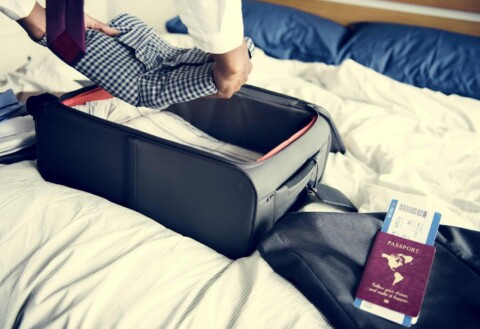



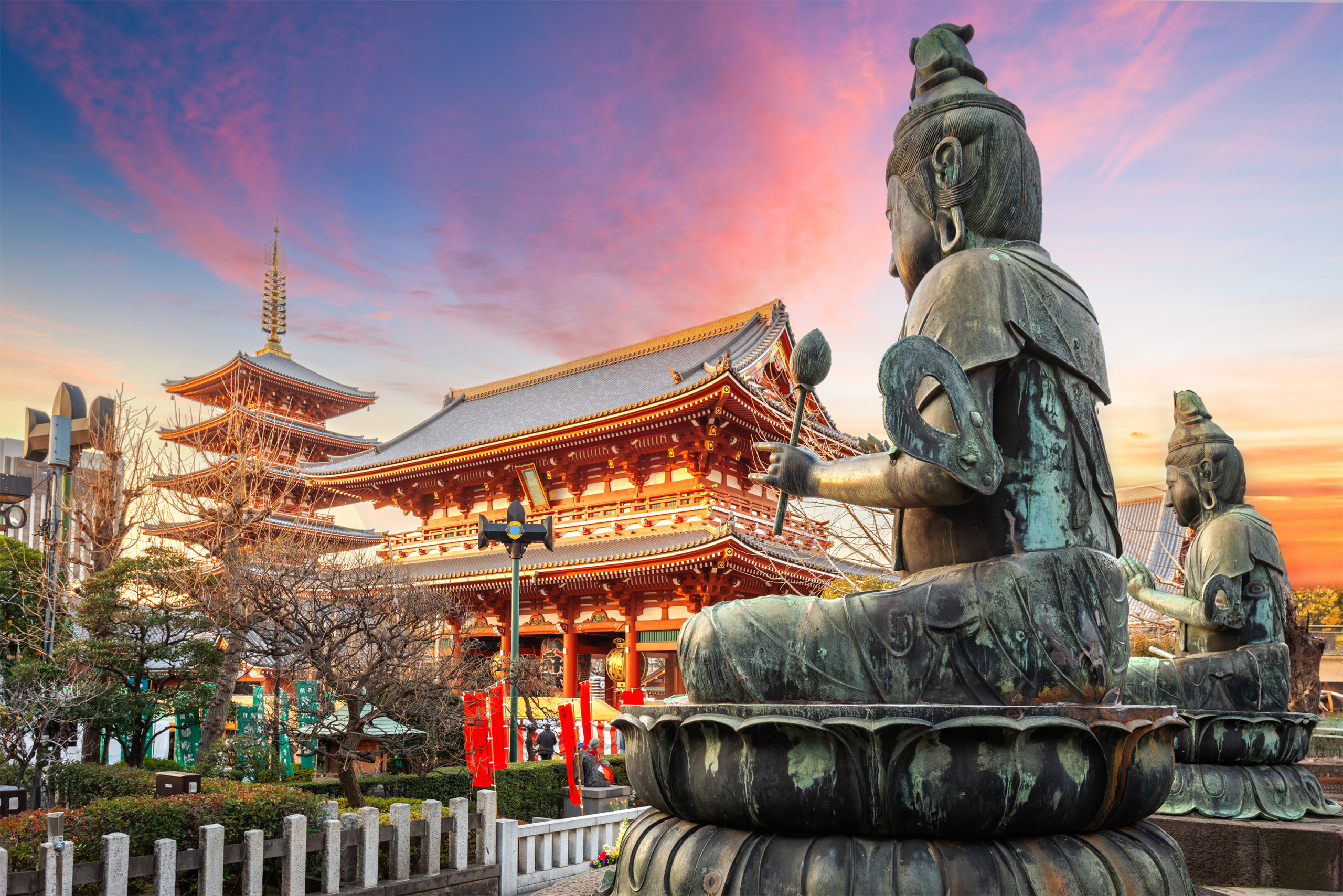
Picture this: You’re standing beneath cherry blossoms in Kyoto, your wallet feels surprisingly heavy, and everywhere you turn, there’s another mind-blowing experience waiting. Welcome to Japan in 2026—the year this island nation officially becomes the place everyone wants to be. Forget what you thought you knew about travel trends. This year has a clear winner, and it’s wearing a kimono, serving ramen at 3 AM, and riding the bullet train into the future.
Let’s be real: every travel blogger has been shouting about Japan for years. But 2026? This is different. This is Japan’s moment to absolutely dominate the global travel stage, and it’s happening because several massive factors are colliding at exactly the right time. It’s not manufactured buzz or Instagram hype—this is a genuine convergence of circumstances that create a once-in-a-decade opportunity.
The Perfect Storm
The story begins with Expo 2025, that six-month extravaganza that wrapped up in October on Osaka’s Yumeshima Island. It wasn’t just a fair—it was a cultural earthquake that attracted over 28 million visitors and left behind something far more valuable than memories: infrastructure, innovation hubs, art installations, and a completely reimagined Osaka. But here’s the kicker: while everyone rushed to Osaka for the Expo itself, 2026 is when you actually get to enjoy the spoils without fighting through 160,000 daily attendees. The Yumeshima venue isn’t gathering dust; instead, it’s transforming into a vibrant hub of exhibitions, pop-up performances, and cross-cultural partnerships. The infrastructure is pristine, the hotels are brand new, and the crowds have mellowed. It’s like arriving at the party right when things get really good—the post-Expo renaissance is creating a city that’s rewriting its identity in real-time, dynamic and experimental and undeniably cool.
But the Osaka effect is just one piece of this perfect storm. Let’s talk money, because this is huge. The Japanese yen has weakened significantly, making Japan more affordable than it has been in years. We’re talking about exchange rates that make your home currency stretch like never before. A typical restaurant meal that costs around 1,500 yen works out to roughly 9 euros—compare that to 15-20 euros for something similar back home. That kaiseki dinner you’ve been dreaming about? Suddenly, it’s not a splurge—it’s just Tuesday. The dollar, euro, and pound are all superheroes in Japan right now, turning experiences that once seemed like luxury into everyday possibilities.
Here’s the catch though, and this is important: this golden window won’t last forever. The Bank of Japan is already adjusting interest rates, and currency forecasters predict the yen could strengthen back toward more normal levels by 2027. This favorable exchange rate is a window, not a guarantee. Translation? Book now, or watch those Instagram-worthy experiences slip back into “special occasion” territory. By the time everyone figures out what a deal 2026 Japan represents, it might already be gone.
The data backs up what travelers are sensing intuitively. Japan is consistently ranking in the top three outbound destinations for travelers worldwide, from Southeast Asia to Europe and beyond. But it’s not just traditional travel demographics making the pilgrimage—this is where things get really fascinating. Gen Z is leading the charge, redefining what international travel even means. Fueled by TikTok day-trip trends, young travelers are literally crossing continents for high-energy, culture-packed experiences. They’re flying to Tokyo for a weekend, hitting three ramen shops, exploring Shibuya at night, and back home before their PTO even kicks in. We’re seeing 1-2 day international getaways to Japan growing faster than extended vacations. This isn’t your parents’ two-week guided tour. This is fast, fierce, and phenomenally documented on social media.
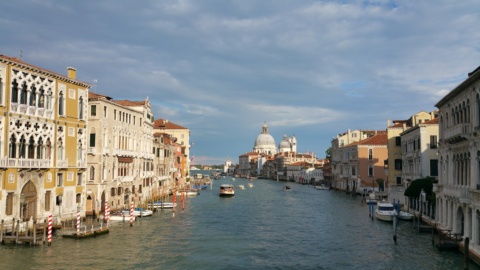
The sports tourism angle adds another layer to Japan’s appeal. Travelers are increasingly prioritizing major events, turning tickets into passports. While the 2026 Winter Olympics in Italy grab headlines, Japan benefits from the spillover effect—travelers combining Milan with Tokyo, or using Japan’s unmatched rail system to explore before or after major sporting events elsewhere in Asia. The country’s festival calendar is equally compelling, with 65% of top-searched travel dates coinciding with major cultural, sporting, and music events. From cherry blossom season in March and April to the Gion Matsuri in Kyoto in July, from autumn foliage in November to countless local matsuri throughout the year, every season offers something spectacular.
Why 2026 Is Different
You might be thinking: “But Japan’s always been popular. What’s so special about 2026?” It’s a fair question, and the answer lies in timing. Think of it as the Goldilocks year. 2025 was the Expo year—packed, chaotic, incredible but overwhelming. 2027 and beyond risk the yen strengthening and prices normalizing. 2026 captures that sweet spot: the living story of post-Expo creativity in Osaka, with smart cities and seasonal festivals and the timeless rhythm of nature, but without the Expo crowds or the normalized prices. It’s not too crowded, not too expensive, just right.
The technological evolution makes this year particularly compelling. Japan has always balanced tradition with innovation, but 2026 takes it to another level. High-tech itinerary planners, real-time city support, digital rail passes, and instant visa assistance are making travel smoother than ever. You can book a temple meditation session through an AI-powered app, then disconnect completely as you find your zen. Meanwhile, centuries-old festivals, traditional ryokans, and cultural experiences remain beautifully preserved. That’s 2026 Japan in a nutshell—the future and the past coexisting in perfect harmony.
The geographic diversity of interest is shifting in intriguing ways too. Sure, Tokyo and Kyoto will always be magnificent, but 2026 is when Japan’s supporting cast finally gets their spotlight. National parks are experiencing a remarkable surge globally, and this outdoor movement is boosting interest in Japan’s spectacular natural landscapes. The Great Smoky Mountains might be trending at 135% with solo travelers, but Japan’s own natural wonders—from the Japanese Alps to Hokkaido’s wilderness—are seeing unprecedented interest. This is the year people trade neon for nature, at least for part of their trip. Cities like San Juan and Stockholm are trending alongside Osaka as 2026’s hottest urban destinations, but Osaka brings something unique: that perfect blend of food culture (takoyaki, okonomiyaki, Kobe beef nearby), nightlife, and accessibility to Kyoto, Nara, and Kobe. It’s the base camp for an entire region of incredible experiences.
The Competition
Let’s be honest though: Japan isn’t the only destination having a moment. Central and Eastern European cities are seeing massive interest, with Prague up 180% and Christchurch, New Zealand, up 194%. Vietnam, Peru, Scotland, and South Korea are all having their moments too. So why does Japan still take the crown for 2026? The answer lies in a combination of factors that few destinations can match. The infrastructure is legendary—the Shinkansen makes domestic travel effortless, English signage has improved dramatically, and getting around is genuinely easy even for first-timers. The range of experiences is unmatched: ancient temples, neon-lit cyberpunk cities, snow-capped mountains, tropical beaches in Okinawa, and Michelin-starred ramen for $8 all coexist within a few hours of each other. Safety is another crucial factor, with Japan consistently ranking as one of the world’s safest countries, making it ideal for solo travelers, families, and first-time international tourists. And that weak yen makes luxury accessible—you’re not choosing between quality and budget because you can have both.
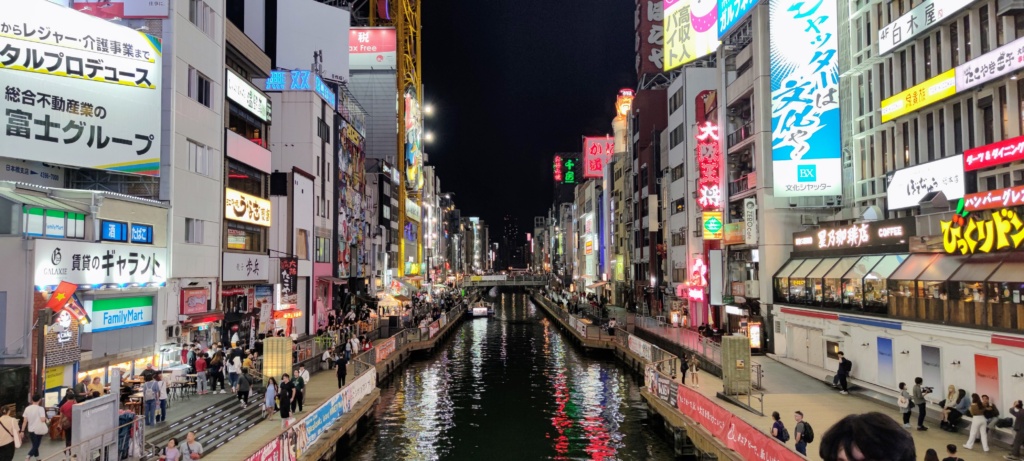
The way Japan aligns with major travel trends is almost uncanny. Take culinary tourism, for instance. Culinary journeys are more interactive than ever, with hands-on classes and food regions drawing curious explorers. Japan doesn’t just have great food—it has food experiences. Sushi-making classes in Tokyo, sake brewery tours, street food tours through Osaka’s Dotonbori, farm-to-table experiences in rural areas—the country offers everything from $3 convenience store meals that blow your mind to three-Michelin-star kaiseki experiences, and it’s all exceptional. The solo travel renaissance, fueled by online conversations encouraging self-discovery, also plays perfectly to Japan’s strengths. Safe streets, efficient transit, capsule hotels, and a culture that respects personal space make solo exploration not just possible but genuinely enjoyable. You can wander Tokyo at 2 AM feeling safer than you might in your hometown at noon.
The Reality Check
Of course, we shouldn’t sugarcoat everything. Japan in 2026 isn’t perfect, and pretending otherwise does no one any favors. Even outside peak seasons, popular spots are bustling with visitors. Cherry blossom season? Forget personal space. The overtourism concerns that existed pre-pandemic have resurfaced with a vengeance. Language barriers remain real—while English proficiency is improving, it’s still limited outside major tourist areas. Download that translation app and prepare for some creative communication. Cultural differences matter too; Japan has strict social codes, and what’s acceptable behavior back home might be a faux pas here. Do your homework before you go. And that favorable yen situation we’ve been celebrating? It’s temporary. The Bank of Japan is adjusting interest rates, which could lead to yen appreciation sooner than many travelers expect.
So what does smart Japan travel look like in 2026? First, book early—accommodation in popular areas books fast, and the favorable exchange rate means more people can afford to go, which translates to more competition for rooms. Consider shoulder season travel in late November or early March for decent weather and fewer crowds than peak sakura or autumn foliage seasons. Go beyond the golden route that everyone does—Tokyo, Kyoto, Osaka are essential, but add Kanazawa, Takayama, or Hiroshima. Venture to Tohoku or Kyushu. The bullet train makes it easy, and these regions offer profound experiences without the overwhelming crowds. Embrace the JR Pass; with the digital version now available, it’s more convenient than ever and can save serious money if you’re covering ground. And perhaps most importantly, mix urban and rural experiences. Balance the sensory overload of Tokyo with the serenity of traditional ryokans or mountain towns. Your brain will thank you for the contrast.
The Verdict
The question remains: is Japan really 2026’s flavor of the year? Here’s the thing about travel trends—they’re usually built on hype, Instagram aesthetics, and whatever destination spent the most on marketing. But Japan in 2026 isn’t that. This is a genuine convergence of factors: post-Expo infrastructure ready to shine, exchange rates favorable for now, an experience range that’s genuinely unmatched, world-class safety and accessibility, and cultural depth that ensures you’re not just taking photos but actually experiencing something profound. Will it be crowded? Yes. Will cherry blossom season be a zoo? Absolutely. Will you occasionally feel lost in translation? Probably. But will you regret going? Not a chance.
From the neon chaos of Shinjuku at midnight to the profound quiet of a Zen garden at dawn, from the culinary adventure of a tiny yakitori joint to the precision art of a tea ceremony, Japan in 2026 offers something increasingly rare in modern travel: the ability to be completely surprised, despite knowing what to expect. It’s a country where the future and tradition aren’t at odds—they’re dance partners. Where efficiency doesn’t mean cold service, but rather hospitality elevated to an art form. Where you can lose yourself in crowds of millions or find complete solitude within the same afternoon.
By 2027, the exchange rates might normalize. The post-Expo shine might dull. The secret’s already out—Japan isn’t exactly undiscovered territory. But 2026 represents that sweet spot where accessibility, affordability, and infrastructure align perfectly. It’s the year when all the conditions are right, when the door is wide open, when the invitation is clear. The smart money isn’t just going to Japan in 2026—it’s going to the Japan everyone else will discover in 2027, to the hidden gems and lesser-known regions that won’t stay hidden much longer.
So is Japan the flavor of 2026? Without question. The real question is whether you’ll be there to taste it. Book that ticket. Download that language app. Start researching which onsen you’ll visit. Because in ten years, when everyone’s chasing the next big thing, you’ll be the person who says, “I went to Japan in 2026,” and everyone will nod knowingly. That was the year. The year. The bullet train waits for no one, and neither does this opportunity. See you in Tokyo—I’ll be the one ugly-crying into my ramen because it’s just that good.